Understanding Solar Vegetation Management: Challenges and Solutions
- Mar 16
- 5 min read

In Nevada, solar energy is an increasingly important part of the state's efforts to reduce its carbon footprint and increase reliance on renewable sources of power. However, like any large-scale energy project, solar farms come with their own set of challenges—one of the most significant being vegetation management. Effective solar vegetation management services in Nevada are critical to ensuring the efficiency, safety, and longevity of solar farms. In this article, we will explore the challenges faced by solar farms in Nevada regarding vegetation control and discuss the solutions available to overcome these obstacles.
The Importance of Vegetation Management for Solar Farms in Nevada
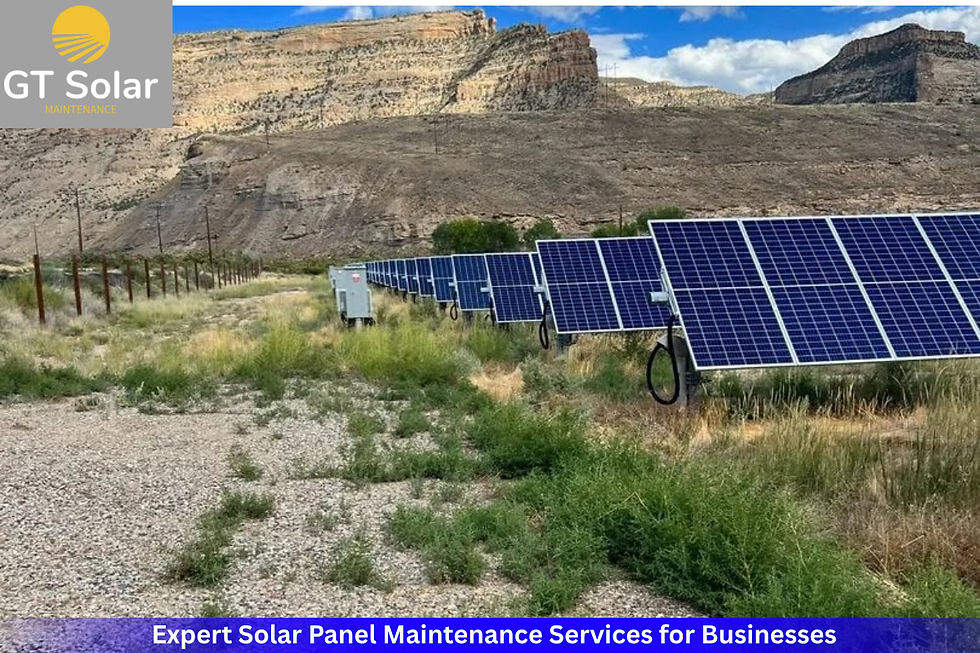
Solar farms, by design, need to maximize sunlight exposure to generate energy efficiently. When vegetation, such as grass, weeds, or shrubs, grows too close to the solar panels, it can block sunlight, create excessive heat, and even damage infrastructure. In Nevada, where the desert climate can lead to fast-growing, resilient plant species, vegetation management is a crucial aspect of maintaining high performance in solar farms.
Solar vegetation management services in Nevada are essential to mitigate the risks posed by unmanaged vegetation. From minimizing shading on panels to reducing the risk of fire, proper vegetation control ensures solar farms operate efficiently, safely, and cost-effectively.
Challenges in Solar Vegetation Management in Nevada
1. Extreme Weather Conditions
Nevada is known for its harsh climate, with scorching hot summers and cold winters. These extreme conditions pose significant challenges for vegetation management. In the summer, the high temperatures can cause plants to dry out and become fire hazards, while in the winter, plants may die off, leaving behind debris that can affect solar panel efficiency. Additionally, Nevada's semi-arid desert environment can lead to rapid vegetation growth in certain areas, especially following rainfall or seasonal changes.
2. Invasive Plant Species
Invasive plant species are another challenge for solar farm operators in Nevada. These plants, often non-native to the region, can spread quickly and crowd out native vegetation, which can lead to inefficiency in land use and impact the performance of solar panels. Invasive plants, such as cheatgrass and Russian thistle, can also create fire hazards, which are especially concerning in dry climates like Nevada’s.
3. Access to Remote Solar Farm Locations
Many solar farms in Nevada are located in remote or difficult-to-reach areas, making vegetation management more challenging. Transporting equipment, coordinating maintenance schedules, and ensuring timely interventions can become complicated and costly, especially in rugged terrain. Managing vegetation in these areas requires efficient, specialized solutions that ensure minimal disruption to the farm’s operation.
4. Cost of Maintenance
Another challenge faced by solar farm owners and operators in Nevada is the cost of vegetation management. While vegetation control is essential, the expenses associated with equipment, labor, herbicide applications, and other maintenance services can add up quickly. In addition, frequent maintenance is required to keep vegetation under control, especially during periods of rapid growth, which further increases costs.
Solutions for Effective Solar Vegetation Management in Nevada
1. Customized Vegetation Control Plans
To address the unique challenges of Nevada’s climate and landscape, solar vegetation management services in Nevada offer customized vegetation control plans. These plans are designed to account for the specific needs of the farm, considering factors such as the type of vegetation, local weather conditions, and the geographical layout of the land.
For example, desert-adapted plants that thrive in Nevada's dry conditions may need special care, while areas that experience more moisture may require different treatment methods. Customized plans ensure that vegetation is managed in a way that reduces shading, maintains soil health, and minimizes fire risk.
2. Regular Monitoring and Maintenance
A key solution to effective vegetation control is regular monitoring and maintenance. Solar vegetation management services in Nevada use cutting-edge technology, such as drones and remote sensors, to monitor plant growth and assess the health of vegetation in real-time. This allows for proactive intervention before vegetation becomes a problem. Regular inspections and maintenance also reduce the need for large-scale, costly interventions and allow operators to catch issues early on.
This approach helps solar farm operators stay on top of vegetation growth and avoid the kind of unplanned vegetation overgrowth that can lead to energy loss and maintenance challenges. By staying proactive, operators can also prevent invasive species from taking over, reducing the risk of future issues.
3. Using Low-Growth Ground Cover Plants
One solution that’s gaining popularity in solar vegetation management is planting low-maintenance ground cover plants that naturally control weeds and prevent overgrowth. These plants are well-suited for Nevada’s climate and can help stabilize the soil, reduce water evaporation, and reduce the need for frequent mowing or herbicide use. Additionally, these ground covers can enhance the aesthetic appeal of the solar farm while keeping vegetation under control.
For solar farms in Nevada, native plants like buffalograss, which require little water and thrive in dry conditions, are excellent choices for ground cover. These plants not only reduce maintenance but also support local biodiversity by providing habitats for pollinators and other beneficial insects.
4. Herbicide and Chemical Management
While herbicide application is a common method for controlling persistent weeds and unwanted vegetation, it must be done carefully, especially in environmentally sensitive areas like Nevada’s desert ecosystems. Modern herbicides used by solar vegetation management services in Nevada are designed to be effective yet environmentally friendly, reducing the risk of soil and water contamination.
Selective herbicide treatments target specific plant species without harming other vegetation, ensuring that only invasive or unwanted plants are removed. Additionally, herbicides are applied at the right times of year to avoid harming the solar farm's overall ecosystem, promoting long-term health and sustainability.
5. Grazing by Livestock
In some cases, Nevada solar farms use livestock grazing as a natural method of vegetation control. Goats, for instance, are highly effective at keeping weeds and grass under control, especially in areas that are difficult to reach with machinery. This method of vegetation management is eco-friendly, cost-effective, and well-suited to Nevada’s rural and expansive solar farm locations.
However, careful management is necessary to prevent livestock from causing damage to solar panels or infrastructure. Operators need to ensure that livestock grazing is conducted in a controlled and managed manner, typically using electric fencing to protect solar assets.
Benefits of Proper Vegetation Management
When solar vegetation management services in Nevada are implemented effectively, they offer numerous benefits:
1. Increased Energy Production
Proper vegetation management ensures that solar panels are not obstructed by shading or overgrown plants, which maximizes sunlight exposure. As a result, solar farms can operate at peak efficiency, producing more energy and contributing to Nevada’s renewable energy goals.
2. Reduced Maintenance Costs
By preventing overgrowth, managing invasive species, and using low-maintenance ground covers, vegetation management can reduce the need for costly repairs and replacements of solar panel components. It also minimizes the frequency of large-scale interventions, which further helps control costs.
3. Fire Prevention
Nevada’s hot, dry summers create an environment where the risk of wildfires is high. By controlling vegetation, especially dry grasses and shrubs, solar farm operators can reduce the potential for fires that could damage both the solar panels and the surrounding environment.
4. Environmental Sustainability
By adopting sustainable vegetation management practices, such as using native plants and livestock grazing, solar farms can support local ecosystems and promote biodiversity. These methods contribute to Nevada's broader environmental goals, balancing energy production with ecological stewardship.
Conclusion
Effective solar vegetation management services in Nevada are essential for ensuring that solar farms operate efficiently, safely, and cost-effectively. With challenges ranging from extreme weather conditions to invasive species, it’s crucial for operators to adopt solutions like customized vegetation control plans, regular monitoring, and eco-friendly practices. By addressing these challenges head-on, Nevada’s solar farms can continue to play a pivotal role in the state’s renewable energy future.


Comments