The Role of Vegetation Management in Solar Farm Efficiency
- Mar 16
- 5 min read

Solar farms are a growing part of the renewable energy landscape in Oklahoma. As the demand for clean, sustainable energy increases, the role of proper solar vegetation management services in Oklahoma has become more critical than ever. Vegetation, if not controlled, can hinder the efficiency of solar panels, reduce energy production, and lead to higher maintenance costs. In this article, we’ll explore the importance of vegetation management and how it enhances the efficiency of solar farms, particularly in Oklahoma.
What is Vegetation Management in Solar Farms?
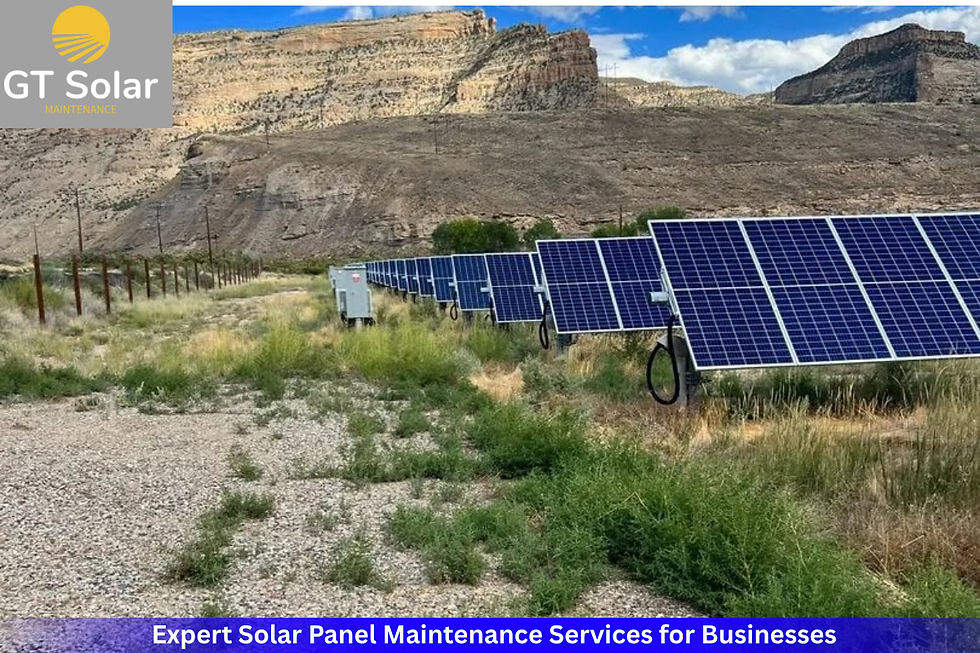
Vegetation management in the context of solar farms refers to the strategic control and maintenance of plant life around solar panels. This can involve a variety of tasks, such as trimming, mowing, and even using herbicides to prevent weeds and larger plants from obstructing the solar panels. Effective vegetation management ensures that plants do not grow too close to the panels, which can reduce sunlight exposure and hinder the overall energy generation of the farm.
Why is Vegetation Management Crucial for Solar Farms?
While vegetation plays a vital role in maintaining soil health and supporting biodiversity, it can also create significant challenges for solar farm operations. Plants that grow unchecked can block sunlight from reaching the solar panels, leading to lower energy production. Moreover, overgrown vegetation can cause damage to the panels themselves or their wiring systems, increasing repair and maintenance costs.
In Oklahoma, where the sun shines bright for most of the year, efficient solar farms rely heavily on maximizing every ray of sunlight. Vegetation management ensures that no plant life stands between the solar panels and the sun, enhancing the overall efficiency of the farm.
How Solar Vegetation Management Services in Oklahoma Help Improve Efficiency
Oklahoma’s diverse landscape and climate make vegetation management particularly important in the region. With the state experiencing long, hot summers and varying rainfall patterns, vegetation can grow rapidly, posing a constant threat to solar farm operations. Here’s how professional solar vegetation management services in Oklahoma can significantly improve farm efficiency:
1. Maximizing Solar Panel Performance
When vegetation grows around solar panels, it blocks sunlight, which directly impacts the amount of energy the panels can produce. Overgrown grass, bushes, or trees can cast shadows or physically obstruct solar panels, leading to a drop in energy output. Regular vegetation control ensures that these panels are exposed to optimal sunlight for as long as possible each day, increasing the amount of energy generated.
2. Reducing Maintenance Costs
Neglecting vegetation management can lead to more significant problems down the line. Overgrown plants can cause physical damage to solar panels, wiring, or infrastructure, increasing repair costs. By using proper vegetation management techniques, such as controlled mowing, trimming, or even the strategic planting of ground cover, solar farm operators can reduce the risk of damage, which in turn lowers overall maintenance costs.
3. Improving Safety and Accessibility
Vegetation management also improves the safety and accessibility of solar farms. Unchecked plant growth can create tripping hazards, obstruct pathways, or make it difficult for maintenance crews to access panels or other important equipment. Regular vegetation control helps maintain clear pathways and ensures that the solar farm remains accessible for routine inspections and repairs.
4. Enhancing Environmental Benefits
Proper vegetation management helps strike a balance between energy generation and environmental responsibility. In Oklahoma, the natural ecosystem is home to a wide variety of plant and animal species. Solar farm operators who use eco-friendly vegetation management techniques, such as grazing, mowing, and using low-impact herbicides, can maintain an environment that supports biodiversity while still promoting optimal solar energy production.
The Importance of Local Expertise in Vegetation Management
In Oklahoma, vegetation management must be tailored to the region’s unique environmental conditions. From hot summers to occasional droughts and freezes, understanding local plants, soil conditions, and growth patterns is essential for successful solar vegetation management. Here’s why hiring local solar vegetation management services in Oklahoma is critical:
1. Knowledge of Oklahoma’s Flora
Oklahoma’s climate and soil conditions support a diverse range of plant life, including grasses, shrubs, and trees that can pose different challenges for solar farm operators. Local experts understand which species thrive in the area and how to manage them effectively. They also know how to control invasive species that can overtake solar farm sites, damaging the integrity of the installation.
2. Adapting to Seasonal Changes
Oklahoma experiences extreme seasonal changes, from scorching summers to cold winters. Local vegetation management companies are well-equipped to deal with these changes and adjust their strategies accordingly. For example, during the growing season, vegetation may need to be mowed frequently, while in the winter, fewer interventions may be required. A local team understands the timing of these changes, ensuring the solar farm operates at peak efficiency year-round.
3. Compliance with Local Regulations
Every state, including Oklahoma, has specific regulations for managing vegetation around energy infrastructure. Local vegetation management companies are familiar with these laws and can ensure that solar farms remain compliant. This not only helps avoid legal complications but also contributes to sustainable practices that benefit both the farm and the local environment.
Best Practices for Solar Vegetation Management in Oklahoma
Here are some common best practices for effective solar vegetation management in Oklahoma:
1. Regular Mowing and Trimming
Mowing and trimming are essential tasks in controlling vegetation growth around solar panels. Keeping the grass and shrubs around the panels trimmed ensures there’s no obstruction to sunlight. Regular mowing helps prevent overgrowth that could lead to shading and energy loss.
2. Use of Ground Cover Plants
Ground cover plants, such as clover, are often used in solar farm operations. These plants can help control weeds and maintain soil health without competing for sunlight. These plants also reduce the need for herbicides, promoting an eco-friendly solution for vegetation management.
3. Integrated Vegetation Management (IVM)
IVM is an approach that combines different vegetation management techniques, including mechanical, chemical, and biological methods. This integrated approach ensures that vegetation control is both effective and environmentally responsible.
4. Grazing Livestock
In some cases, controlled grazing by livestock, such as sheep or goats, can help maintain the vegetation around solar panels. This method reduces the need for mowing and can also be an environmentally friendly way to manage vegetation.
Conclusion
Proper vegetation management is a crucial aspect of ensuring the long-term success and efficiency of solar farms in Oklahoma. With local expertise and tailored solutions, solar vegetation management services in Oklahoma can enhance panel performance, reduce maintenance costs, and promote sustainability. By working with professional services, solar farm owners can maximize energy production while minimizing operational challenges. If you’re looking to improve the efficiency of your solar farm in Oklahoma, investing in expert vegetation management is the key to success.


Comments