The Role of Vegetation Control in Solar Farm Maintenance and Success
- Mar 16
- 4 min read

In Kansas, solar farms are a growing source of renewable energy, contributing to sustainable power generation and supporting the local economy. However, the success of solar farms doesn't solely depend on the panels themselves. One of the most critical aspects of maintaining a solar farm is vegetation management. Effective solar vegetation management services in Kansas ensure that solar farms operate at peak efficiency while minimizing risks related to overgrowth, maintenance costs, and energy loss. In this article, we will explore the role of vegetation control in solar farm maintenance and its impact on the success of solar energy projects.
Why Vegetation Control Matters in Solar Farm Operations
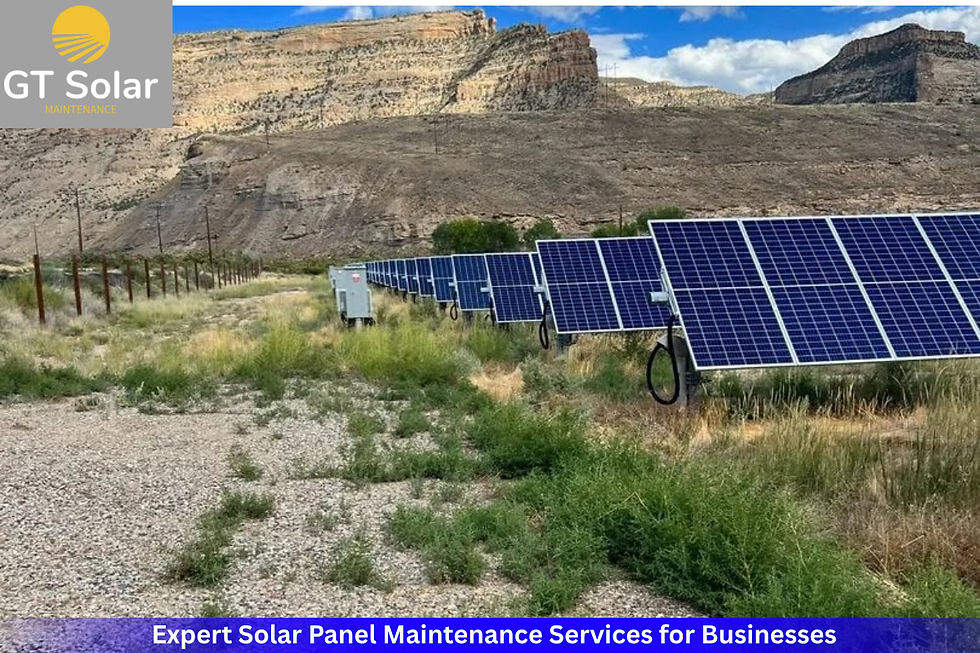
Solar panels rely on optimal exposure to sunlight to generate energy. When vegetation grows too close to or underneath the panels, it can cast shadows, obstruct airflow, or even cause damage. This is where solar vegetation management services in Kansas come into play. These services involve a combination of methods, including mowing, trimming, herbicide application, and specialized vegetation control techniques, to maintain a clear, safe environment for solar panels.
Without proper vegetation control, solar farms face several challenges:
Reduced Energy Efficiency: Overgrown plants can block sunlight, causing decreased energy production. In regions like Kansas, where sunlight can be intense but seasonal, maintaining clear solar panel surfaces is crucial for energy generation.
Increased Maintenance Costs: Allowing vegetation to grow unchecked can lead to additional maintenance costs, as equipment may need to be repaired or replaced more frequently.
Safety Concerns: Overgrowth near solar panel infrastructure can attract pests, leading to potential damage. It also increases the risk of fire, especially during Kansas’s hot, dry summers.
The Importance of Timely Vegetation Management in Kansas
Kansas experiences a unique climate, with hot summers and variable rainfall, which means vegetation can grow rapidly under the right conditions. For solar farm operators, timely vegetation management is essential to ensure consistent energy production and lower operational costs. Vegetation control services must be adapted to the specific needs of the area, considering factors such as local plant species, soil conditions, and weather patterns.
By engaging professional solar vegetation management services in Kansas, solar farm owners can avoid the common pitfalls of unchecked plant growth. Properly managed vegetation not only ensures efficient energy generation but also contributes to the long-term viability of the farm.
Key Vegetation Control Methods for Solar Farms
1. Mowing and Trimming
One of the simplest and most effective methods of controlling vegetation is regular mowing and trimming. Mowing reduces the height of grass and weeds, preventing them from blocking solar panels or interfering with maintenance operations. Trimming shrubs and small plants around solar panels also ensures that plants don't encroach on vital infrastructure.
For solar farms in Kansas, mowing is an essential part of vegetation control, especially in areas where seasonal rainfall encourages plant growth. However, it’s crucial that mowing schedules are adapted to the growth cycles of different plants to ensure consistent results.
2. Herbicide Application
While mowing and trimming are effective for controlling vegetation, herbicide application is often used for more persistent or invasive species. Specialized herbicides target weeds and unwanted vegetation without damaging the soil or surrounding plant life. In Kansas, certain plant species like tall grasses and weeds can grow aggressively, so herbicide application is a vital component of vegetation management.
When selecting herbicides for solar farm maintenance, it’s important to choose products that are safe for the environment and comply with local regulations. Solar vegetation management services in Kansas can provide expert advice on the best herbicides to use and ensure that they are applied in a way that minimizes harm to the ecosystem.
3. Mulching and Ground Cover
Another effective strategy for vegetation control in solar farms is mulching or using ground covers. Mulch can suppress the growth of weeds by blocking sunlight, while also helping to maintain soil moisture. This is especially beneficial in Kansas, where hot summers can lead to soil dehydration.
Ground covers, such as low-growing grasses or specific types of plants that don't interfere with solar panel operation, can also be planted to control weeds while enhancing the aesthetic appeal of the solar farm.
4. Grazing by Livestock
In some cases, solar farms in Kansas may use controlled grazing to manage vegetation. This method involves allowing livestock, such as goats or sheep, to graze the land under solar panels. The animals naturally consume grass and other vegetation, preventing overgrowth and keeping the solar farm clear.
This method is particularly effective for large-scale solar farms in Kansas, where maintaining a natural, eco-friendly approach is important. However, it is vital to ensure that the livestock does not damage the solar infrastructure or pose a safety risk.
Benefits of Vegetation Control in Solar Farm Maintenance
Effective vegetation control in solar farms offers a wide range of benefits, both in terms of operational efficiency and environmental sustainability. Some of the key advantages include:
1. Enhanced Solar Panel Efficiency
The primary benefit of vegetation management is the improvement in solar panel performance. By preventing shading and obstructions, solar farms can operate at maximum efficiency. In Kansas, where solar farms are an essential part of the state's renewable energy efforts, keeping panels free from vegetation ensures a higher energy yield and reduces operational downtime.
2. Reduced Operational Costs
By addressing vegetation issues proactively, solar farm owners can reduce the need for expensive repairs and replacements of solar panel components. The cost savings from effective vegetation control can be reinvested in the development of additional renewable energy projects or in improving the efficiency of the existing solar farm.
3. Environmental Protection
Vegetation management also helps protect the local environment by maintaining biodiversity and preventing the spread of invasive plant species. When done responsibly, vegetation control can support local ecosystems and wildlife while still ensuring that the solar farm operates efficiently.
4. Improved Aesthetics and Community Engagement
In Kansas, where many solar farms are located near rural communities, maintaining a well-managed landscape is important for public relations and community support. Well-maintained solar farms are often more aesthetically pleasing and can foster positive relationships with local communities and stakeholders.
Conclusion
In summary, solar vegetation management services in Kansas play a vital role in ensuring the long-term success of solar farms. Through a combination of mowing, herbicide application, mulching, and grazing, solar farm operators can maintain clear, efficient landscapes that maximize energy production while minimizing operational costs. Effective vegetation control not only enhances the performance of solar farms but also contributes to environmental sustainability and community engagement.

Comments