Solar Vegetation Management Services for Clean Energy Infrastructure
- Jan 13
- 4 min read

The rapid expansion of solar energy has reshaped how land is used and managed across the renewable energy sector. While solar panels quietly convert sunlight into clean electricity, the land beneath and around them requires consistent attention. Vegetation growth, if unmanaged, can interfere with panel efficiency, damage equipment, and compromise site safety. This is where professional solar vegetation management services play a critical role in maintaining reliable and long-lasting clean energy infrastructure.
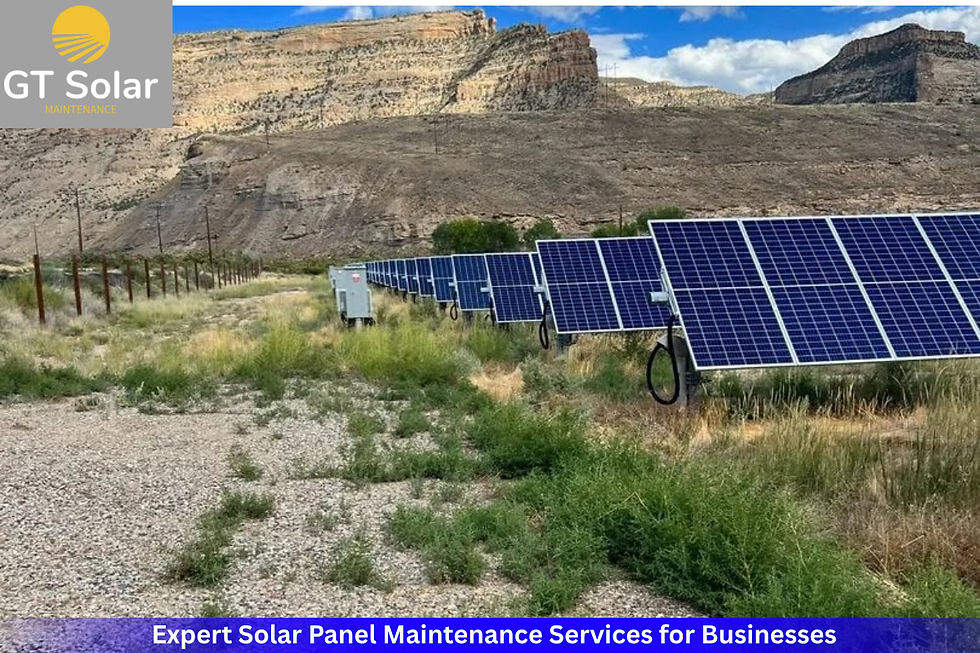
As solar farms grow in size and number, particularly in regions with diverse climates, the need for tailored vegetation control strategies becomes more important than ever. Solar Vegetation Management in Colorado has emerged as a specialized service due to the state’s unique mix of high plains, mountain terrain, and semi-arid ecosystems. Effective vegetation planning ensures solar assets remain productive while preserving environmental balance.
Understanding Solar Vegetation Management
Solar vegetation management refers to the systematic control of plant growth within and around solar energy facilities. This includes grass control, weed suppression, invasive species removal, and soil stabilization. Unlike traditional land clearing, solar site vegetation management focuses on maintaining ground cover that prevents erosion while avoiding shading or physical interference with solar panels.
A well-managed solar site improves airflow around panels, reduces fire risk, and supports efficient maintenance access. Solar farm vegetation control is not a one-time task but an ongoing process that adapts to seasonal growth patterns and local environmental conditions.
Why Vegetation Control Is Critical for Solar Performance
Uncontrolled vegetation can significantly reduce solar panel output by casting shadows, trapping debris, and increasing moisture levels around electrical components. Even minor shading can lower energy production across an entire array. Ground cover management for solar sites ensures that vegetation remains low enough to prevent obstruction while still protecting soil health.
In addition, tall grasses and dry weeds increase the risk of wildfires, especially in warmer climates. Professional solar vegetation maintenance services reduce these hazards through proactive planning and routine inspections.
Environmental Benefits of Sustainable Vegetation Practices
Modern solar vegetation management solutions prioritize sustainability. Instead of relying solely on mechanical mowing or chemical herbicides, many operators adopt eco-friendly vegetation management practices. These include native grass planting, pollinator-friendly ground cover, and integrated grazing solutions.
By using native plant species, solar operators support biodiversity while minimizing maintenance costs. Pollinator-friendly solar sites not only benefit local ecosystems but also align with environmental compliance standards increasingly required by regulators and investors.
Regional Considerations for Solar Sites
Every solar installation faces unique environmental challenges based on geography. In areas with variable weather, vegetation growth can be unpredictable. Solar site land management must account for soil composition, rainfall levels, and temperature fluctuations.
In western regions, drought-resistant vegetation is often preferred, while areas with higher rainfall may require more frequent vegetation control services. Regional expertise ensures that solar facility vegetation services are both effective and cost-efficient over the long term.
Mechanical and Biological Vegetation Control Methods
There is no single approach that fits all solar projects. Mechanical mowing remains a common method for maintaining clear panel rows and access roads. However, over-mowing can compact soil and increase erosion if not done correctly.
Biological solutions, such as sheep grazing for solar farms, have gained popularity as a natural and low-impact alternative. Grazing animals efficiently control grass height without damaging infrastructure, making them ideal for large-scale solar installations seeking sustainable land management options.
Fire Risk Mitigation and Safety Compliance
Fire prevention is a growing concern for solar operators, especially in dry and windy regions. Excess vegetation near electrical equipment can act as fuel during wildfire events. Solar vegetation management services include fire-safe vegetation clearance, buffer zone creation, and ongoing monitoring to meet safety regulations.
Compliance with local and federal safety standards is essential to protect both infrastructure and surrounding communities. Proactive vegetation management supports risk reduction and ensures uninterrupted energy production.
Long-Term Cost Efficiency for Solar Operators
Investing in professional solar vegetation maintenance may seem like an added expense, but it delivers substantial long-term savings. Poorly managed vegetation can lead to equipment damage, costly repairs, and lost energy output. Preventive maintenance reduces emergency interventions and extends the lifespan of solar assets.
Consistent solar land management planning also helps operators forecast maintenance budgets more accurately. Predictable costs and reduced downtime make vegetation services a smart financial decision for utility-scale and commercial solar projects alike.
Supporting Grid Reliability and Clean Energy Goals
Reliable clean energy infrastructure depends on more than just advanced technology. The land supporting solar installations must be managed with the same level of care as the equipment itself. Solar vegetation management contributes directly to grid stability by ensuring uninterrupted energy generation.
As governments and utilities push toward ambitious renewable energy targets, maintaining existing solar assets becomes just as important as building new ones. Proper vegetation control helps maximize output from current installations, supporting broader sustainability goals.
Choosing the Right Vegetation Management Partner
Selecting an experienced provider is crucial for effective solar vegetation management. The right partner understands renewable energy operations, environmental regulations, and site-specific challenges. They offer customized vegetation plans rather than generic land-clearing services.
A reliable provider will combine technical expertise with environmental responsibility, delivering solar vegetation management solutions that protect both infrastructure and ecosystems. Regular reporting, site inspections, and adaptive strategies are key indicators of a professional service.
The Future of Solar Vegetation Management
As solar technology continues to evolve, so will vegetation management practices. Innovations in monitoring, such as drone inspections and data-driven maintenance schedules, are improving efficiency and accuracy. These advancements allow operators to identify vegetation issues early and respond before problems escalate.
The future of clean energy depends on holistic site management approaches that balance performance, safety, and environmental stewardship. Solar vegetation management services will remain a foundational element of successful renewable energy infrastructure.
Conclusion
Solar vegetation management is an essential but often overlooked component of clean energy success. By maintaining healthy ground cover, reducing risks, and supporting long-term performance, these services protect valuable solar investments. From sustainable land practices to regional expertise, professional vegetation management ensures solar facilities operate efficiently for decades.


Comments