Solar Vegetation Management: Protecting Efficiency and Sustainability
- Sep 5, 2025
- 4 min read

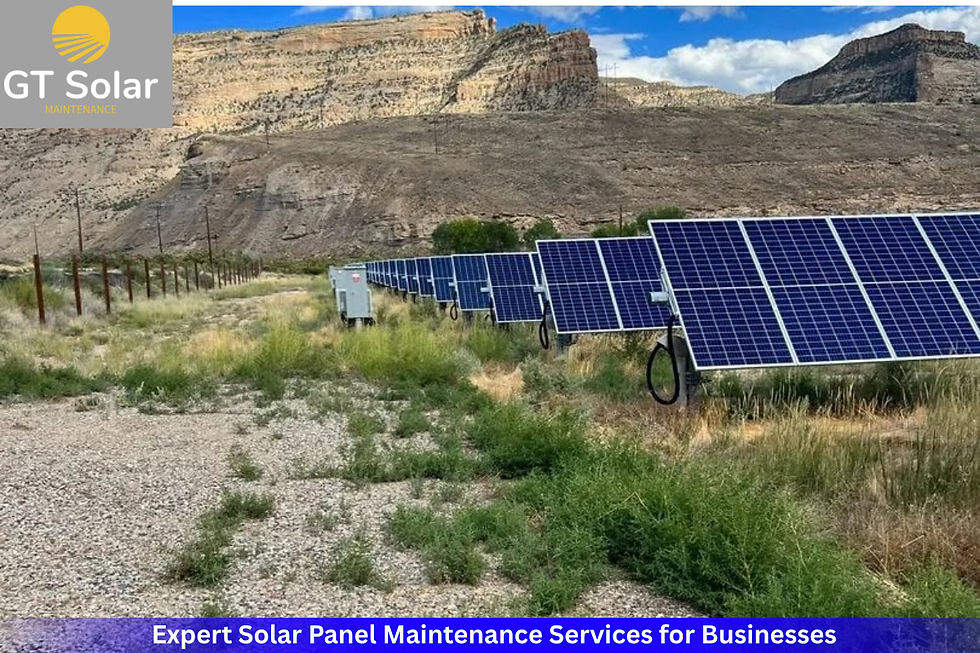
As solar farms continue to grow worldwide, one challenge that often goes unnoticed is vegetation. Tall grass, weeds, and shrubs may seem harmless, but they can reduce energy production and even damage solar equipment. This is where solar vegetation management plays an essential role. By controlling plant growth around panels, solar operators ensure consistent performance, safety, and long-term reliability of their systems.
What Is Solar Vegetation Management?
Solar vegetation management is the process of controlling plant growth around solar arrays. It includes mowing, trimming, and removing vegetation that blocks sunlight or interferes with equipment. This practice is not only about keeping the site clean but also about improving efficiency, preventing damage, and creating a safe environment. In large-scale solar farms, vegetation control is part of ongoing maintenance.
Why Is It Important?
When grass or weeds grow tall, they can cast shadows on panels, lowering energy production. Over time, unchecked growth may cover wiring, inverters, or other electrical components, increasing the risk of fire or damage. Thick vegetation also attracts pests or rodents that may chew on wires. Without management, a solar solar maintenance service near me farm can quickly lose efficiency and face costly repairs. Proper vegetation control keeps the system running at peak performance while reducing risks.
Common Challenges of Vegetation Growth
Different regions face unique vegetation challenges. In dry areas, weeds grow quickly after rainfall, while in humid zones, grass and shrubs may thrive year-round. Certain invasive plants can spread fast, covering large areas in weeks. For solar operators, balancing the natural environment with system performance can be difficult. The key challenge is finding methods that are effective, affordable, and environmentally friendly.
Techniques for Vegetation Control
There are several ways to manage vegetation around solar panels. Each has its benefits and drawbacks, and many farms use a combination for best results.
1. Mechanical Mowing
Mechanical mowing is the most common method, using mowers or trimmers to cut grass around the panels. Specialised mowers with narrow designs can fit between rows without damaging equipment. While this method is cost-effective, it requires frequent maintenance during the growing season.
2. Grazing Livestock
Many solar farms are turning to sheep or goats for vegetation control. This eco-friendly method keeps grass trimmed naturally while reducing fuel and labor costs. Sheep are especially popular since they can graze under and around panels without harming equipment. However, proper fencing and management are necessary to keep animals safe and effective.
3. Herbicide Application
Some farms use herbicides to control weeds. While effective, this method can raise environmental concerns if not applied carefully. Herbicides must be chosen wisely to avoid harming soil health or nearby water sources. Most operators now use herbicides only as a last resort or in areas where mowing and grazing are not possible.
4. Ground Cover Solutions
Another method is planting low-growing vegetation such as clover or native grasses. These plants provide stable ground cover, prevent erosion, and reduce the need for frequent mowing. In some cases, pollinator-friendly plants are added, supporting bees and butterflies while keeping weeds under control.
Tools and Equipment Used
Solar vegetation management often requires specialized equipment. Wide-deck mowers are used for large open areas, while smaller zero-turn mowers handle tight spaces. String trimmers and brush cutters are useful for edges and around poles. In grazing systems, portable fencing and watering systems are essential. Technology is also advancing, with robotic mowers and drones helping operators monitor and maintain vegetation more efficiently.
Safety Considerations
Working around solar panels requires caution. Heavy equipment must be operated carefully to avoid damaging panels, posts, or wiring. Operators need training in both equipment use and solar site safety. Herbicides, if used, must follow strict guidelines to protect workers and the environment. Livestock grazing requires proper supervision to ensure animal welfare and prevent accidents. A well-planned safety program reduces risks while maintaining efficiency.
Environmental Benefits of Proper Management
When done responsibly, solar vegetation management offers environmental advantages. Planting native ground cover supports local ecosystems, prevents soil erosion, and improves water retention. Grazing livestock reduces fuel use and lowers carbon emissions compared to frequent mowing. Pollinator-friendly vegetation creates habitats for bees and butterflies, contributing to biodiversity. By balancing clean energy production with sustainable land practices, solar farms can benefit both people and nature.
Economic Advantages for Operators
Effective vegetation management also saves money. Shaded panels can reduce energy output by up to 30%, directly affecting profits. Preventing damage from pests or overgrowth avoids costly repairs and downtime. Grazing livestock can even create dual-use land, providing both clean energy and agricultural benefits. Over time, a well-maintained site produces more power, operates more reliably, and delivers a stronger return on investment.
Creating a Long-Term Vegetation Plan
Successful solar vegetation management requires more than occasional mowing. Operators must design a long-term plan tailored to the site’s climate, soil, and plant growth patterns. This plan should include a mix of control methods, safety protocols, and seasonal schedules. Regular monitoring helps identify problems early, ensuring small issues don’t turn into costly challenges. A professional maintenance company can also provide expertise and equipment for large or complex sites.
The Role of Professionals
While some solar site owners handle vegetation on their own, many choose to hire specialised maintenance companies. Professionals have the right tools, training, and experience to manage large areas efficiently. They understand how to protect solar equipment while maximising site performance. With professional support, operators can focus on energy production while leaving vegetation control to experts.
Future of Solar Vegetation Management
As solar power continues to expand, new solutions for vegetation control are emerging. Robotic mowers that run on solar energy are being developed for large-scale sites. Drones can monitor growth patterns and detect problem areas quickly. Research into pollinator-friendly plants and sustainable land practices will also play a major role. The future of vegetation management combines technology, sustainability, and efficiency.
Conclusion
Solar vegetation management is more than just cutting grass—it’s about protecting efficiency, safety, and sustainability. By controlling plant growth, operators can prevent shading, reduce risks, and support environmental health. Whether through mowing, grazing, ground cover planting, or advanced technology, proper management keeps solar farms performing at their best.


Comments