Solar Panel Vegetation Services in Texas: Ensuring Clean Energy Efficiency
- Sep 5, 2025
- 4 min read

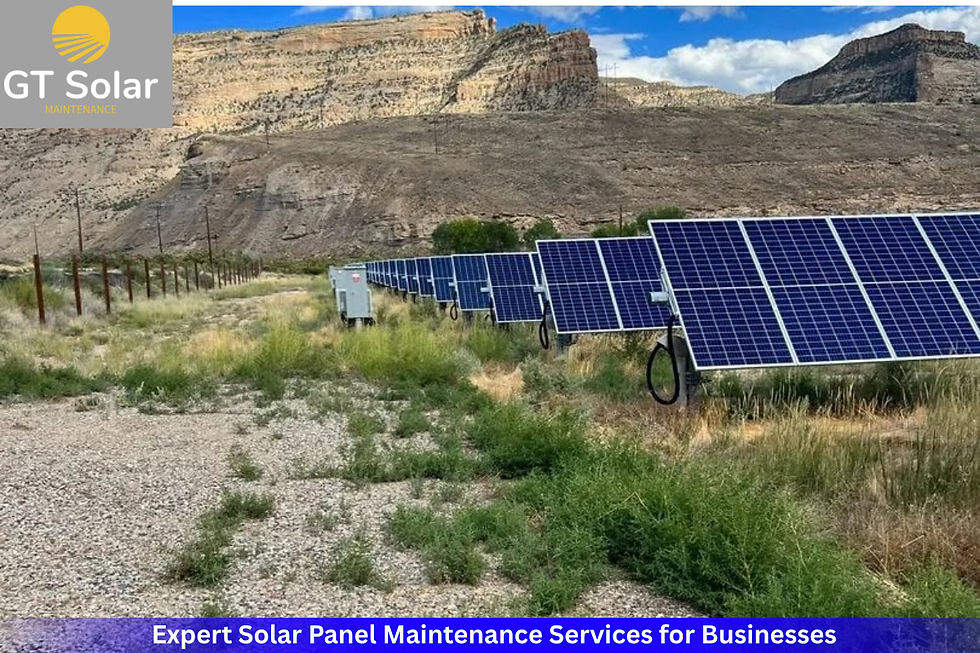
Texas is one of the leading states in the U.S. for solar energy production. With its wide-open landscapes and abundant sunshine, it is the perfect location for large solar farms and rooftop systems. However, one major challenge Texas solar sites face is vegetation growth. Tall grass, weeds, and shrubs can block sunlight, reduce energy output, and create safety risks. That’s why solar panel vegetation services in Texas are essential for keeping solar systems efficient and reliable.
What Are Solar Panel Vegetation Services?
Solar panel vegetation services involve controlling and managing plant growth around solar installations. This includes mowing, trimming, grazing livestock, or planting low-maintenance ground cover. Unlike basic landscaping, these services are designed specifically to protect solar panels and electrical equipment. In Texas, where vegetation grows quickly after rainfall, specialized services are critical to ensure that solar arrays perform at their best.
Why Vegetation Management Is Important in Texas
Texas has a mix of climates, from dry deserts to humid regions, and each brings unique vegetation challenges. In East Texas, thick grass and shrubs can quickly grow around panels. In the western part of the state, weeds spread rapidly after storms. Left unchecked, vegetation can shade solar modules, lowering efficiency by up to 30%. It can also damage wiring and increase fire risks. Vegetation services help solar operators maintain steady energy production year-round.
Common Challenges in Texas Solar Sites
Managing solar panel service in Texas farms isn’t always easy. Rapid plant growth during spring and summer means more frequent mowing. Dry conditions in other regions create fire hazards when tall grass grows around panels. In addition, invasive species like Johnson grass and mesquite can spread fast, covering large areas. Without professional vegetation services, these challenges can reduce system performance and increase maintenance costs.
Methods Used for Vegetation Services
1. Mechanical Mowing
Mechanical mowing is the most widely used method in Texas solar farms. Specialized mowers can cut between rows of panels without damaging equipment. Large areas are often maintained with wide-deck mowers, while smaller zero-turn machines handle tight spaces. Mowing is effective but needs to be done frequently during the growing season.
2. Grazing with Livestock
Some Texas solar farms use sheep or goats for vegetation management. This eco-friendly method is popular in rural areas where grazing land is available. Sheep are especially effective because they can graze under panels without harming them. Grazing reduces fuel use and provides a natural way to keep vegetation low. However, proper fencing and care are required to protect both animals and equipment.
3. Herbicide Application
In areas where weeds are difficult to control, herbicides may be used. While effective, herbicides must be applied carefully to avoid harming soil, water, or nearby crops. In Texas, where agriculture and solar often share land, many operators use herbicides sparingly. They are usually applied only in problem areas or combined with mowing for balanced control.
4. Ground Cover Planting
Planting low-growing, drought-resistant vegetation is another solution. Native grasses and clover are often used in Texas because they require less water and prevent soil erosion. Some solar farms plant pollinator-friendly species that attract bees and butterflies, adding environmental value. Ground cover solutions reduce long-term mowing needs while improving land health.
Equipment and Tools for Texas Solar Sites
Professional vegetation services in Texas use specialized equipment suited for large areas and different terrains. Wide-deck tractors manage open fields, while smaller machines handle narrow rows. Brush cutters and string trimmers clear corners and edges. For grazing systems, portable fencing and water tanks are used to manage livestock. Some companies also use drones to monitor vegetation growth across large solar farms.
Safety Considerations
Texas weather can bring challenges like extreme heat and sudden storms, making safety important during vegetation services. Workers must use proper gear and operate machinery carefully around panels and wiring. Herbicide applications follow strict state guidelines to protect the environment. For livestock grazing, fences and monitoring are necessary to keep animals safe and prevent them from interfering with solar equipment.
Environmental Benefits
Solar panel vegetation services in Texas do more than improve efficiency—they also support the environment. Grazing livestock reduces carbon emissions by replacing gas-powered mowers. Planting native ground cover improves soil quality, prevents erosion, and conserves water. Pollinator-friendly plants support local ecosystems, creating habitats for bees, butterflies, and other wildlife. With the right management, solar farms in Texas can produce clean energy while protecting natural resources.
Economic Advantages for Texas Operators
Uncontrolled vegetation can reduce solar output and increase repair costs. For large Texas solar farms, even a small drop in efficiency can mean thousands of dollars in lost revenue. Regular vegetation services keep panels clear, ensuring maximum performance. Livestock grazing can also create a dual-use benefit, combining energy production with agricultural value. In the long run, professional vegetation management saves money and increases return on investment.
Building Long-Term Vegetation Plans
Successful vegetation management in Texas requires planning. A long-term plan considers soil type, climate, seasonal growth patterns, and site size. This includes scheduling mowing or grazing, monitoring weed growth, and planting the right ground cover. Many solar operators in Texas partner with professional vegetation service providers who create customized plans to ensure year-round efficiency.
Role of Professional Service Providers in Texas
Many solar operators prefer hiring professionals instead of managing vegetation themselves. Professional providers have the expertise, equipment, and knowledge of Texas landscapes to manage vegetation effectively. They also follow local safety and environmental regulations. By outsourcing vegetation services, solar operators save time, reduce risks, and ensure their systems stay productive.
Future of Vegetation Services in Texas
As solar power continues to expand in Texas, new technologies are transforming vegetation management. Robotic mowers powered by solar energy are being tested on large farms. Drones help monitor growth and detect problem areas quickly. Research into drought-resistant ground cover and pollinator-friendly plants continues to grow. The future of solar vegetation services in Texas combines technology, sustainability, and efficiency.
Conclusion
Solar panel vegetation services in Texas are critical for protecting efficiency, safety, and sustainability. By managing grass, weeds, and shrubs with methods like mowing, grazing, herbicides, and ground cover planting, solar operators keep their systems running at peak performance.
A well-maintained solar site in Texas not only produces more energy but also supports the environment and saves money. As the state continues to lead in solar power, professional vegetation services will remain a key part of keeping clean energy reliable and sustainable for decades to come.


Comments