Solar Panel Vegetation Services: Ensuring Efficiency and Safety
- Sep 5, 2025
- 4 min read

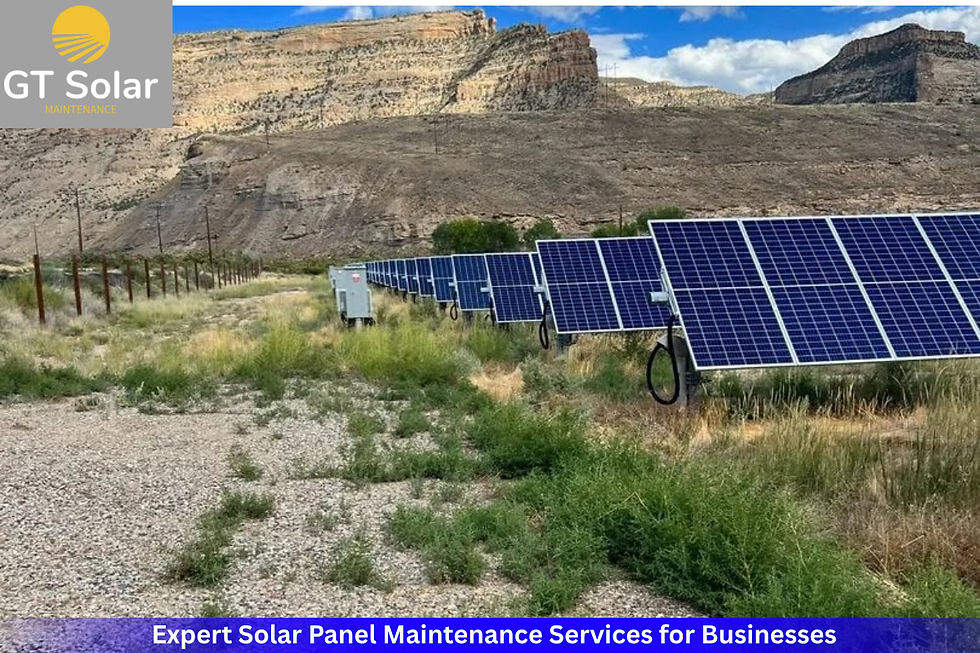
Solar panels provide clean and renewable energy, but their performance can be affected by an issue many people overlook—vegetation growth. Weeds, grass, and shrubs around solar arrays may block sunlight, damage wiring, or even cause safety hazards. This is why solar panel vegetation services are vital for long-term efficiency. These services focus on keeping vegetation under control so solar farms and rooftop systems deliver maximum output.
What Are Solar Panel Vegetation Services?
Best Solar panel services near me include a range of activities designed to manage plant growth around solar installations. This involves mowing, trimming, grazing livestock, or applying ground cover solutions to keep weeds from blocking panels. Unlike ordinary lawn care, these services are specialized for solar sites, ensuring that equipment is protected while maintaining a clean, productive environment.
Why They Are Important
When vegetation grows tall, it creates shade that lowers energy production. Even a small patch of grass casting shadows on panels can reduce efficiency by a noticeable amount. Overgrown weeds may also hide electrical wires and inverters, creating fire risks or equipment damage. With regular vegetation management, operators avoid these issues, improve energy performance, and extend the lifespan of their solar systems.
Challenges of Vegetation in Solar Farms
Different environments bring different challenges for solar sites. In dry regions, weeds may grow quickly after rainfall, while in humid areas, grass and shrubs can spread all year long. Unchecked growth can block airflow, making panels hotter and less efficient. Some invasive plants can spread rapidly, covering entire rows of panels. Without professional vegetation services, these challenges can quickly lead to lost production and expensive repairs.
Methods Used in Vegetation Services
1. Mechanical Mowing
Mechanical mowing is one of the most common methods for controlling vegetation. Specialised mowers are designed to fit between rows of panels without causing damage. This technique keeps grass at a manageable height and ensures panels remain exposed to sunlight. However, mowing may need to be repeated often during peak growing seasons.
2. Grazing with Livestock
Some solar farms use sheep or goats as a natural solution. These animals graze on the grass under and around solar panels, keeping growth under control without fuel or chemicals. Sheep are especially effective since they are small enough to move between panels safely. Livestock grazing is Eco-friendly but requires proper fencing and care to be effective.
3. Herbicide Control
In certain cases, herbicides are used to control stubborn weeds. This method can be effective for specific problem areas but is generally minimized due to environmental concerns. Herbicides must be applied carefully to protect soil, water, and surrounding habitats. Many operators prefer to combine herbicides with mowing or grazing for a balanced approach.
4. Ground Cover Planting
Another service is planting low-maintenance ground cover such as clover or native grasses. These plants prevent erosion, reduce dust, and naturally limit weed growth. Some solar farms even plant pollinator-friendly species to support bees and butterflies. This approach reduces the need for frequent mowing while adding environmental value to the site.
Equipment and Tools Used
Professional solar panel vegetation services rely on specialized equipment. Wide-deck mowers cover large open spaces, while smaller zero-turn mowers navigate tight rows. Trimmers and brush cutters handle edges and corners. For grazing systems, fencing, water stations, and animal shelters are essential. Modern technology, like robotic mowers and drones, is also being introduced to make vegetation services more efficient and cost-effective.
Safety in Vegetation Services
Safety is always a top priority. Workers must be trained to operate machinery without damaging panels or wiring. When herbicides are applied, strict environmental guidelines are followed. For grazing, animals must be monitored to ensure they do not interfere with solar equipment. Professional vegetation services combine skill, knowledge, and planning to deliver safe and effective results.
Environmental Benefits
Well-managed vegetation services do more than improve solar output—they also support the environment. Grazing livestock reduces the use of fossil fuels, lowering carbon emissions. Native plants and pollinator-friendly ground covers enhance biodiversity, helping local ecosystems thrive. Proper vegetation management also reduces soil erosion and improves water absorption, creating healthier landscapes around solar farms.
Cost and Economic Benefits
Uncontrolled vegetation can lead to significant financial losses. Shaded panels may reduce energy output by 20–30%, lowering profits. Over time, weeds and pests can cause costly equipment damage. By investing in professional vegetation services, operators save money through higher energy production and fewer repairs. In some cases, grazing can even provide dual income by combining energy production with agriculture.
Long-Term Vegetation Plans
Effective vegetation control is not a one-time task but an ongoing process. A long-term plan is essential for success. This includes scheduling mowing or grazing, monitoring plant growth, and planning seasonal adjustments. Professional services often create tailored management plans that consider climate, soil type, and local vegetation patterns. A proactive plan ensures consistent performance year after year.
Role of Professional Service Providers
Many solar site owners hire professional vegetation service providers because they bring experience and efficiency. Professionals have the right tools and knowledge to handle large areas quickly while protecting valuable equipment. They also understand safety standards and environmental regulations. By outsourcing vegetation management, operators can focus on energy production while leaving site maintenance to experts.
The Future of Vegetation Services
As solar power grows, so does the demand for smarter vegetation solutions. Robotic mowers powered by solar energy are being developed for large-scale farms. Drones help monitor vegetation growth and identify problem areas in real time. Research into eco-friendly ground cover plants continues to advance, supporting both energy production and environmental health. The future of solar panel vegetation services will combine technology, sustainability, and efficiency.
Conclusion
Solar panel vegetation services are essential for protecting energy efficiency, equipment safety, and environmental sustainability. By managing plant growth through mowing, grazing, ground cover planting, or advanced tools, these services keep solar systems performing at their best.


Comments