Professional Solar Vegetation Management for Safe and Clear Sites
- Dec 9, 2025
- 5 min read

Maintaining a clean, well-managed solar site is essential for ensuring consistent energy production, protecting valuable equipment, and preserving a safe operating environment. Overgrown vegetation is one of the most common and costly obstacles that solar site owners face, especially in regions known for fluctuating seasons, diverse terrain, and rapid plant growth. This is why professional Solar Vegetation Management Services in Wyoming have become a core part of long-term solar maintenance, ensuring that solar installations remain clear, efficient, and protected from natural overgrowth throughout the year.
Understanding the Importance of Vegetation Management in Solar Fields
Solar installations depend on clear, unobstructed access to sunlight. Any shading on the panels, even from tall grass or encroaching brush, can reduce electrical output and create irregular performance across the array. Vegetation blocking airflow beneath the panels also leads to increased heat, and higher panel temperatures prevent the system from operating at peak efficiency. Over time, these environmental barriers erode the performance of the solar site, resulting in energy losses that accumulate month after month.
Vegetation also creates operational challenges beyond energy production. It can restrict equipment access, making routine inspections and repairs more difficult. Overgrown plants may conceal wires, conduits, or mounting bases, creating trip hazards for on-site technicians. When left unmanaged, vegetation quickly becomes both a performance issue and a safety concern.
How Overgrowth Impacts Solar Efficiency
Even when vegetation appears harmless at first glance, small shadows can create uneven electrical output. Modern solar systems are interconnected in ways that make one shaded panel affect the efficiency of several panels or even an entire string. The result is a broader system loss than most site owners realize. When thick brush or seasonal weeds expand beneath or between rows, they create shading patterns that shift throughout the day.
Overgrowth also promotes moisture buildup, which can lead to corrosion of metal components and increased pest activity. Dense vegetation attracts insects, rodents, and birds, which may damage wiring or nest beneath structures. This combination of shading, heat retention, and wildlife activity creates long-term challenges for a site’s stability and performance.
Why Professional Vegetation Management Matters
Solar sites require a specialized maintenance approach that goes beyond basic landscaping. The terrain varies, the equipment is delicate, and the environment must remain safe for both technicians and the surrounding land. Professional teams understand how to work around racks, posts, wiring, and inverters without causing disruption or damage. Their methods support the long-term integrity of the installation by using tools and techniques specifically suited for solar environments.
Professionals also use strategic planning to address weed growth cycles, soil conditions, and seasonal plant behavior. This ensures that vegetation control is proactive rather than reactive. A managed site is healthier, easier to service, and far more reliable over time.
Wyoming’s Landscape and Vegetation Challenges
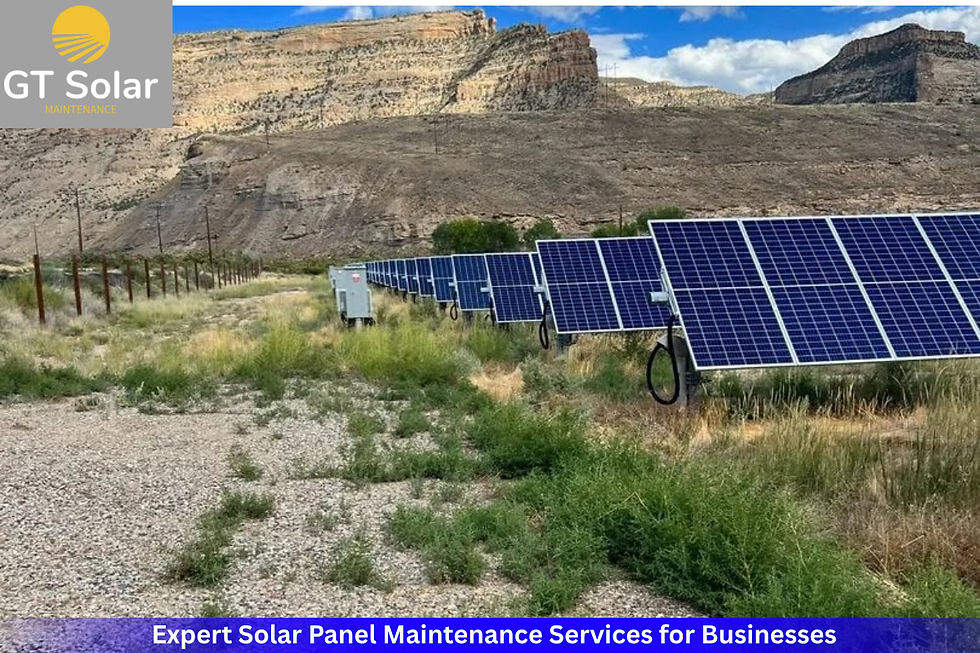
Wyoming offers excellent opportunities for solar development due to its open land, strong sunlight, and favorable geography. However, the region’s terrain presents unique challenges that make vegetation management essential. Grasses and weeds in Wyoming often grow rapidly after seasonal rains, creating dense clusters that can reach panel height if ignored. In other seasons, dry periods create highly flammable conditions, making overgrowth a significant fire risk.
Wind patterns also contribute to the spread of hardy plant species. Seeds carry easily across open land, taking root throughout solar sites. Without consistent maintenance, they quickly spread across rows, blocking sunlight and restricting movement beneath the panels. Professional vegetation management ensures that seasonal cycles and environmental patterns do not interfere with the site’s energy production.
Enhancing Site Safety Through Effective Vegetation Control
Keeping a solar field clear improves safety for every person who works on or around the site. Overgrowth makes inspections more challenging and hides potential hazards that technicians must avoid. Clear pathways reduce the chance of slips, trips, and unexpected contact with wildlife.
Managing vegetation also supports fire mitigation. Solar fields often span large areas, and dense vegetation can turn into fuel during hot, dry months. Professional vegetation control reduces this risk significantly by maintaining shorter growth, removing dry brush, and ensuring that the solar equipment is not surrounded by materials that ignite easily. A clean site is far safer, easier to monitor, and more resistant to seasonal threats.
Supporting Reliable Energy Production Year-Round
The purpose of a solar installation is to provide clean, consistent energy for decades. To achieve this, the panels must have unobstructed exposure to sunlight and stable conditions around the equipment. Vegetation management supports these goals by eliminating the factors that diminish production efficiency. With clear surroundings, panels operate at optimal capacity and maintain steady output even as seasons change.
A well-managed site also improves longevity. When vegetation is kept under control, there is less pressure on wiring, fewer risks of animal intrusion, and reduced wear on structural components. Solar equipment thrives in environments where the land is as meticulously maintained as the hardware itself.
Protecting Infrastructure From Long-Term Damage
Overgrown vegetation often leads to hidden problems that escalate over time. Thick roots can impact soil stability around mounting structures, while constant moisture from plant clusters can accelerate corrosion. Fallen leaves and plant debris settle beneath panels, trapping moisture and creating micro-environments that promote mold or rust.
Professional vegetation teams keep these issues from developing by maintaining healthy ground conditions and preventing plants from encroaching on equipment. They understand how to preserve soil structure, manage erosion, and keep the environment balanced so the installation remains structurally sound.
The Role of Customized Vegetation Management Plans
Every solar site is unique. Differences in terrain, soil type, climate, and layout require tailored management schedules. Professional vegetation providers design plans that address the specific needs of each site, considering factors such as growth patterns, water availability, wildlife presence, and the configuration of the solar arrays.
Customized plans also ensure that vegetation control adapts throughout the year. Seasonal growth spurts, winter thaw, and transitional periods all affect plant behavior. A reliable plan anticipates these shifts and schedules maintenance at the right intervals to ensure continuous control.
The Environmental Benefits of Responsible Vegetation Management
Solar energy supports environmental conservation, and vegetation management can strengthen that mission when done responsibly. Many professional programs prioritize methods that protect native plants, reduce invasive species, and preserve soil health. Through careful planning, they help maintain ecological balance around the installation without compromising equipment safety or performance.
Reducing the need for chemical treatments is another benefit. By relying on mechanical control and sustainable ground management, professionals help ensure that the solar site remains environmentally friendly while still fully operational.
Creating Long-Term Stability for Your Solar Investment
Solar installations deliver maximum return when they operate consistently with minimal interruption. Vegetation management is one of the most effective ways to maintain that stability. When panels remain unobstructed and equipment remains safe, the solar array produces predictable energy and experiences fewer unforeseen complications.
A professional vegetation management program protects the value of the entire installation. It ensures a clean, well-maintained site that supports efficient performance year after year. With controlled growth, safe surroundings, and strategic planning, solar site owners enjoy greater reliability and long-term peace of mind.


Comments