Optimizing Vegetation for Solar Efficiency
- Jan 13
- 3 min read

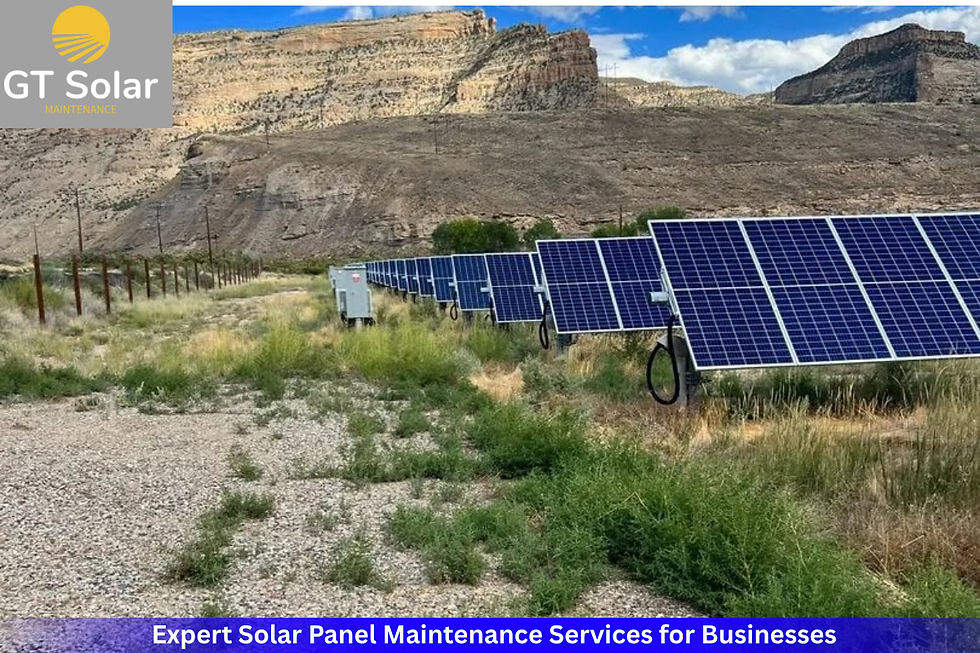
One of the key strategies in maintaining solar farm productivity is Solar Vegetation Management in Idaho. This approach emphasizes controlling the type and growth of vegetation around solar panels to minimize shading while preserving ecological balance. Solar vegetation management is not just about cutting grass or trimming weeds; it involves careful planning of plant species, soil management, and periodic monitoring to ensure optimal solar access. By incorporating strategic vegetation planning, solar farms can maintain high energy yields while promoting biodiversity.
Understanding Shading and Its Effects
Shading from tall or dense vegetation is one of the most significant challenges for solar farms. Even partial shading can reduce panel efficiency by up to 25%, and in some cases, can cause long-term damage to solar modules. Trees, shrubs, or overgrown grasses can block sunlight and create hotspots on panels, leading to reduced electricity production and increased maintenance. Understanding which areas of a solar farm are most susceptible to shading is the first step in creating an effective vegetation management plan.
Selecting the Right Vegetation
Choosing appropriate plant species is crucial for balancing solar efficiency with environmental sustainability. Low-growing, drought-resistant grasses and groundcovers are ideal for minimizing shading while reducing water consumption. Native plants are particularly beneficial as they require less maintenance, are adapted to local climates, and support local wildlife. Integrating pollinator-friendly plants can also contribute to ecological health while enhancing the aesthetic appeal of solar farms.
Soil Preparation and Maintenance
Healthy soil contributes to better plant growth and reduces the need for frequent interventions. Proper soil preparation includes testing soil pH, improving drainage, and adding organic matter to enhance fertility. Soil compaction should be avoided, especially around solar panel supports, to prevent root growth issues and erosion. A well-maintained soil system ensures that vegetation grows in a controlled manner, reducing shading risks and the frequency of maintenance.
Mowing and Trimming Practices
Regular mowing and trimming are fundamental for maintaining clear solar access. The frequency and method depend on plant species, seasonal growth patterns, and local climate. Mechanical mowing, grazing with livestock, and selective pruning are common techniques. It’s essential to schedule these activities to prevent interference with energy production and to reduce the risk of damaging equipment or solar panels.
Integrating Pollinator Habitats
Solar farms can serve as dual-purpose spaces by incorporating pollinator habitats. Flowering plants that attract bees, butterflies, and other beneficial insects support biodiversity while providing natural control of certain pests. Careful planning ensures that these habitats do not interfere with solar panel efficiency. By integrating pollinator habitats, solar operators can meet sustainability goals while optimizing vegetation growth.
Erosion Control and Ground Stabilization
Vegetation plays a critical role in controlling erosion and stabilizing the ground around solar installations. Plant roots hold soil in place, preventing runoff during heavy rains and reducing dust accumulation on panels. Selecting plants with deep root systems and dense foliage can protect the soil while maintaining energy efficiency. Mulching and cover crops can also support soil health and reduce maintenance needs.
Fire Risk Mitigation
Dry or overgrown vegetation can become a fire hazard, especially in arid regions. Proper vegetation management includes removing combustible materials, maintaining firebreaks, and using fire-resistant plants. Regular inspections and adherence to fire safety guidelines are essential to protect solar infrastructure and personnel. Mitigating fire risk not only ensures safety but also prevents costly damage and downtime.
Water Management and Irrigation
Efficient water management supports healthy vegetation while conserving resources. Drip irrigation and low-water plant species can minimize water usage without compromising plant growth. Rainwater harvesting and soil moisture monitoring further enhance sustainability. Proper water management ensures that vegetation remains healthy and controlled, contributing to optimal solar panel exposure.
Monitoring and Technology Integration
Modern technology aids in effective vegetation management. Drones, remote sensors, and GIS mapping allow operators to track growth patterns, identify shaded areas, and plan maintenance schedules. This data-driven approach ensures precision and reduces the likelihood of overgrowth or inefficiency. Integrating technology with traditional vegetation practices enhances both safety and productivity.
Long-Term Planning and Sustainability
Sustainable solar vegetation management involves long-term strategies that balance ecological health and energy production. Crop rotation, seasonal planting, and adaptive management help maintain a resilient ecosystem. Engaging local communities and stakeholders in planning can also promote environmental stewardship. By prioritizing long-term sustainability, solar farms can achieve consistent energy efficiency while contributing to environmental goals.
Conclusion
Optimizing vegetation for solar efficiency requires a holistic approach that considers plant selection, soil health, water management, fire risk, and technology integration. From Solar Vegetation Management in Idaho to nationwide practices, effective vegetation control improves energy output, reduces operational costs, and enhances ecological balance. As solar energy continues to expand, implementing smart, sustainable vegetation strategies will be a cornerstone of maximizing solar performance and promoting environmental responsibility.


Comments