Optimizing Solar Farms Through Vegetation Management
- Jan 13
- 4 min read

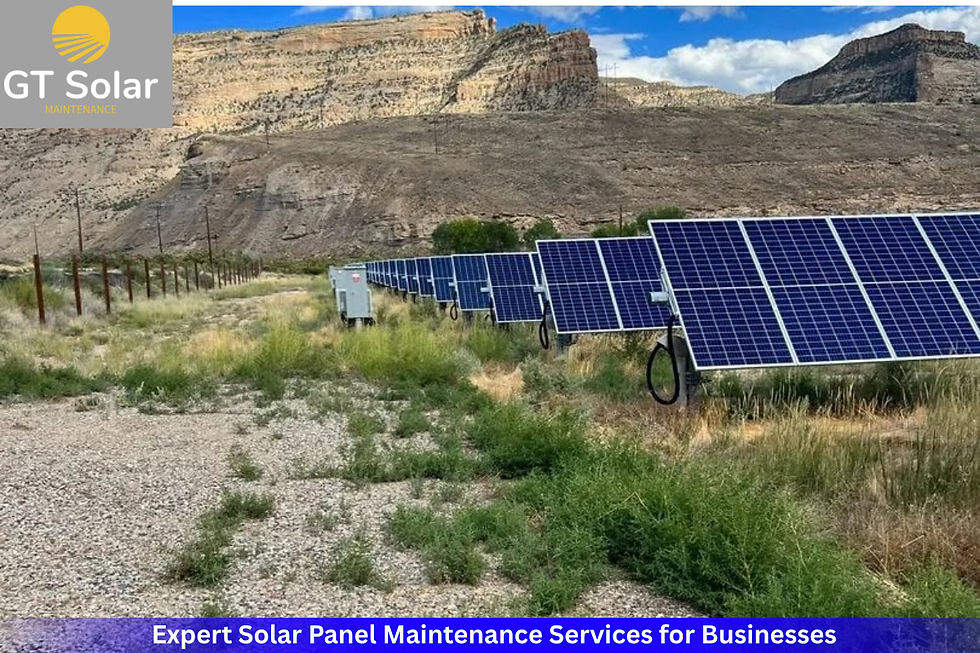
Solar vegetation management involves controlling and maintaining the growth of plants, grasses, and shrubs around solar panels. In areas like Arizona, where high temperatures and rapid plant growth are common, Solar Vegetation Management in Arizona has become a critical component of solar farm operations. Uncontrolled vegetation can lead to shading, which directly reduces the energy output of solar panels. Additionally, dense plant growth can create fire hazards, interfere with equipment, and complicate routine maintenance. Proper management not only prevents these issues but also supports biodiversity and soil health around the solar site.
The Impact of Vegetation on Solar Farm Efficiency
Vegetation plays a dual role in solar farms: it can either enhance or hinder performance. When unmanaged, tall plants and invasive species can shade solar panels, reducing their efficiency by up to 15% or more. On the other hand, certain types of ground cover can provide natural cooling for the soil, reducing heat stress on panels and improving longevity. By carefully selecting and maintaining vegetation, solar farms can strike a balance between energy production and environmental benefits.
Common Challenges in Solar Vegetation Management
Managing vegetation in solar farms is not without challenges. These include:
Rapid Growth: Some plants, especially in fertile regions, grow faster than anticipated, requiring frequent trimming.
Invasive Species: Non-native plants can outcompete native vegetation, creating maintenance complications.
Soil Erosion: Poor vegetation management can lead to soil degradation, affecting both panel stability and local ecosystems.
Fire Risks: Overgrown areas can become significant fire hazards, particularly in dry climates like Arizona or California.
Addressing these challenges requires a comprehensive vegetation management plan tailored to the specific solar farm location.
Strategies for Effective Solar Vegetation Management
1. Mechanical Management
Mechanical management involves mowing, trimming, or mulching vegetation to maintain a safe and efficient solar farm environment. Modern machinery can efficiently manage large areas while minimizing soil disruption. Regular mechanical maintenance prevents overgrowth and reduces fire risks.
2. Chemical Management
Herbicides and selective vegetation control chemicals can be used to target invasive species and maintain clear areas under solar panels. While effective, chemical management must be applied carefully to avoid environmental contamination and comply with local regulations.
3. Integrated Vegetation Management (IVM)
IVM combines mechanical, chemical, and biological methods to create a holistic approach. By leveraging multiple strategies, solar farms can reduce costs, improve sustainability, and maintain long-term efficiency. This approach also emphasizes the use of native plants to support local ecosystems.
4. Ground Cover Optimization
Using low-growing ground cover plants such as clover, thyme, or native grasses can help reduce soil erosion, suppress weeds, and improve soil moisture retention. Ground cover also minimizes dust accumulation on solar panels, indirectly enhancing energy output.
Benefits of Proper Vegetation Management
Proper vegetation management offers numerous advantages for solar farm operations:
Maximized Energy Production: Reduced shading ensures panels receive maximum sunlight.
Lower Maintenance Costs: Controlled vegetation decreases the need for emergency repairs and excessive cleaning.
Fire Prevention: Removing overgrown plants reduces the risk of wildfires.
Environmental Sustainability: Promoting native plant species improves biodiversity and ecosystem health.
Soil Health Improvement: Appropriate vegetation protects against erosion and maintains soil fertility.
Best Practices for Solar Vegetation Management
Regular Monitoring: Conducting frequent inspections allows operators to identify potential shading, invasive species, or fire hazards before they become serious issues.
Native Plant Selection: Planting native, drought-resistant species reduces maintenance needs and supports local wildlife.
Seasonal Planning: Adjust vegetation management schedules according to plant growth cycles to optimize efficiency.
Collaboration with Experts: Consulting with environmental and vegetation management professionals ensures sustainable practices.
Technology Integration: Using drones, sensors, and GIS mapping tools helps track vegetation growth and assess shading impacts on solar panels.
Economic Implications of Vegetation Management
Neglecting vegetation management can lead to significant economic losses. Reduced energy output from shaded panels directly impacts revenue. Additionally, overgrown vegetation increases the risk of fire damage, which can result in costly repairs and insurance claims. On the other hand, investing in proper vegetation management enhances efficiency, reduces maintenance costs, and prolongs the operational life of the solar farm, yielding long-term financial benefits.
Environmental Considerations
Sustainable vegetation management aligns solar farm operations with environmental conservation. By encouraging native plants and minimizing chemical use, solar farms can maintain healthy soil, support pollinators, and prevent habitat loss. Moreover, proper vegetation management reduces carbon emissions associated with excessive machinery use and chemical applications, further contributing to the green energy mission.
Case Study: Solar Vegetation Management in Desert
Climates
In desert regions like Arizona and Nevada, vegetation management is critical due to extreme temperatures, sporadic rainfall, and fast-growing invasive plants. Solar farms in these areas implement a mix of mechanical trimming, selective herbicide use, and native ground cover planting. This combination has been shown to reduce maintenance costs by 20–30% while maintaining consistent energy production levels. Such case studies highlight the tangible benefits of strategic vegetation management.
Future Trends in Solar Vegetation Management
The solar industry continues to evolve, with new trends emerging in vegetation management:
Automation and Robotics: Autonomous mowers and drones are increasingly used to monitor and manage vegetation efficiently.
Smart Sensors: Advanced sensors can detect shading patterns and plant growth, allowing for precise interventions.
Pollinator-Friendly Solar Farms: Integrating flowering plants that attract bees and butterflies supports biodiversity while maintaining ground cover.
Data-Driven Decision Making: Using AI and analytics (while avoiding AI-generated content directly in operations) to predict growth patterns improves planning and reduces costs.
Conclusion
Optimizing solar farms through vegetation management is more than just a maintenance task it is a strategic component that directly influences energy production, operational efficiency, and environmental stewardship. By understanding the unique challenges of each location, implementing best practices, and embracing innovative solutions, solar farm operators can ensure long-term success. Proper vegetation management reduces shading, minimizes fire risks, supports native ecosystems, and enhances soil health, ultimately driving both financial and ecological benefits.

Comments