Optimizing Solar Farm Operations with Professional Vegetation Management
- Oct 30, 2025
- 5 min read

As solar energy continues to shape the future of clean and renewable power, maintaining the land beneath solar installations has become just as vital as maintaining the panels themselves. A well-managed solar site ensures maximum energy production, long-term efficiency, and environmental sustainability. That’s where solar vegetation management in Colorado plays a critical role. By combining technical expertise, ecological awareness, and strategic maintenance, professional vegetation management enhances the performance, safety, and lifespan of solar farms across the state.
The Connection Between Vegetation and Solar Efficiency
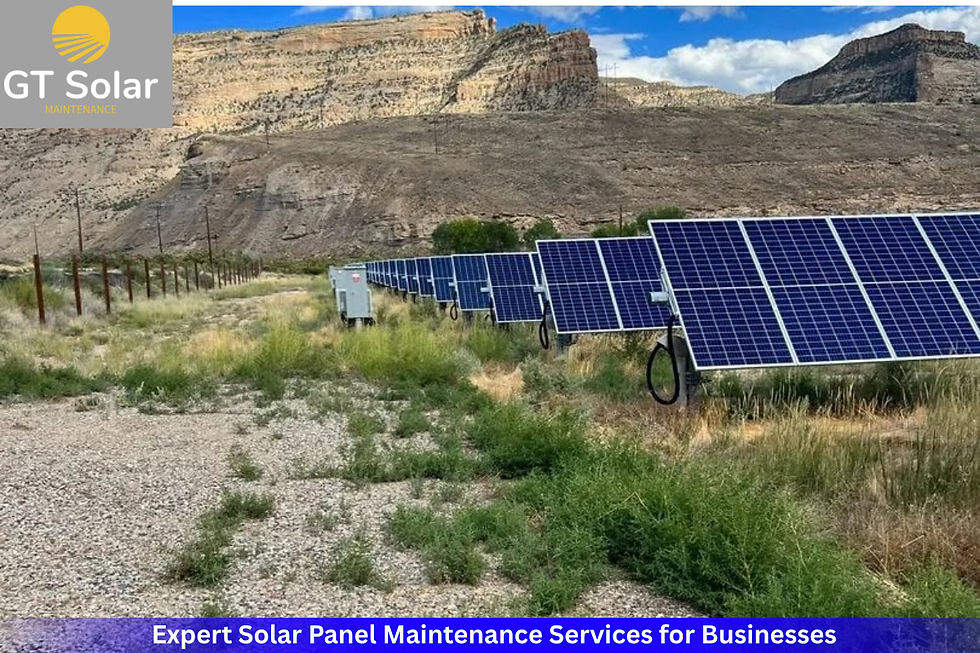
Every solar farm depends on consistent exposure to sunlight to produce optimal power. When vegetation grows uncontrollably around or beneath panels, it can cast shadows that reduce sunlight absorption. Even minimal shading can lower output efficiency by several percentage points — a significant loss over time.
Beyond reducing energy yield, unmanaged vegetation can trap moisture and debris, creating environments for pests or rodents that may damage wiring systems. It can also obstruct airflow beneath panels, increasing heat levels and further decreasing efficiency.
Professional vegetation management eliminates these issues by keeping the ground clear, controlled, and stable — ensuring panels operate at their highest potential.
The Role of Professional Vegetation Management
Vegetation management is far more than simple mowing or trimming. It’s a comprehensive, science-based process that considers soil quality, plant species, and site layout. Professional teams use advanced equipment, environmental data, and ecological strategies to maintain a balance between plant growth and energy efficiency.
In Colorado, where landscapes range from arid plains to mountainous terrain, this expertise is especially valuable. The state’s unique climate and elevation differences require customized vegetation solutions for each site. Professionals analyze site-specific conditions — from rainfall patterns to soil composition — and design management plans that ensure consistent energy production and environmental protection.
By doing so, solar farms remain both productive and sustainable, achieving harmony between technology and nature.
Understanding Colorado’s Solar Landscape
Colorado’s renewable energy sector has experienced remarkable growth, supported by abundant sunshine and a commitment to sustainability. However, its climate presents unique challenges — from dry summers and rapid vegetation growth after spring rains to soil erosion caused by high winds.
These conditions make it crucial for solar farm operators to adopt region-specific management strategies. Native grasses, drought-resistant plants, and erosion control techniques are vital for stabilizing soil and preventing damage to infrastructure. Professional vegetation managers in Colorado understand these nuances and apply methods tailored to each location’s environmental and operational needs.
This localized approach ensures both optimal panel performance and environmental compliance, reinforcing Colorado’s leadership in renewable energy innovation.
Techniques for Effective Vegetation Management
Professional vegetation management uses a blend of mechanical, biological, and chemical methods — each chosen carefully to achieve the best results with minimal environmental impact.
Mechanical control, such as mowing and trimming, helps maintain consistent plant height and prevents shading. Advanced machinery allows precise cutting near solar arrays without damaging panels or wiring.
Biological control, including eco-grazing, is one of the most sustainable methods. Using livestock like sheep to manage vegetation naturally reduces the carbon footprint, promotes soil health, and supports local agriculture.
Selective herbicide application may be used in limited cases to target invasive weeds that threaten site stability. When applied responsibly, this method ensures long-term vegetation balance without harming nearby ecosystems.
By integrating these techniques, professional vegetation management teams deliver customized, eco-friendly solutions that enhance both energy output and land health.
Preventing Fire Hazards and Ensuring Safety
Fire prevention is a major concern for solar farms, particularly in regions like Colorado that experience dry, windy conditions. Overgrown vegetation can act as a fuel source, increasing the risk of wildfires that may damage equipment and endanger personnel.
Professional vegetation management addresses this risk through proactive fire mitigation strategies. These include maintaining low vegetation height, clearing buffer zones, and planting low-flammability species. Additionally, creating firebreaks around critical equipment and perimeter fencing provides added protection.
Regular monitoring and scheduled maintenance ensure that fire risks remain minimal throughout the year — safeguarding both investments and surrounding communities.
Enhancing Soil Stability and Erosion Control
The land beneath a solar farm is constantly exposed to environmental forces. Wind, rain, and slope variations can lead to soil erosion, compromising panel foundations and wiring systems.
Professionally managed vegetation acts as a natural stabilizer. Ground cover plants and native grasses anchor the soil, reduce water runoff, and prevent dust accumulation on panels. By maintaining healthy vegetation, managers also preserve soil moisture levels — a crucial advantage in Colorado’s dry climate.
This dual function of vegetation — both protective and productive — ensures that solar farms remain structurally sound and environmentally sustainable for years to come.
Sustainability Through Native Plant Integration
One of the most effective long-term vegetation strategies is the use of native plant species. These plants are naturally adapted to Colorado’s environment, requiring less water, fewer nutrients, and minimal maintenance once established.
Native vegetation supports local biodiversity by providing food and shelter for pollinators such as bees and butterflies. It also reduces maintenance costs while enhancing soil and air quality.
By integrating native plants, solar farm operators can create self-sustaining ecosystems that coexist with clean energy production — a model of true environmental harmony.
Technology and Innovation in Vegetation Management
Today’s vegetation management relies on advanced technology to achieve precision and efficiency. Drones equipped with high-resolution cameras and thermal sensors can survey large solar fields in minutes, identifying overgrowth, erosion, or shading issues.
GPS-guided mowers and robotic equipment enable consistent, damage-free maintenance around sensitive areas. Data collected from these tools allows professionals to adjust schedules, optimize resource use, and predict future vegetation trends.
This combination of human expertise and technological innovation ensures that solar operations remain efficient, safe, and environmentally responsible — setting new standards for renewable energy management.
Economic Benefits of Professional Management
Investing in professional vegetation management delivers measurable economic advantages. Well-maintained sites operate more efficiently, reducing downtime and maintenance costs. Preventing overgrowth also minimizes damage to panels, wiring, and structural supports, lowering repair expenses over time.
Moreover, eco-friendly solutions such as grazing and native planting can significantly reduce fuel use and labor costs. These sustainable methods often lead to long-term savings while enhancing environmental performance — a win-win for both operators and investors.
In short, vegetation management is not just an operational necessity but a strategic investment in the future profitability of solar energy projects.
Collaboration Between Solar Experts and Environmental Specialists
Effective vegetation management requires interdisciplinary collaboration. Solar engineers, environmental scientists, and agricultural specialists work together to design comprehensive solutions that optimize performance while preserving the land.
In Colorado, many solar projects partner with local conservation organizations and farmers to implement eco-grazing and biodiversity programs. This partnership fosters community engagement, strengthens sustainability goals, and ensures that solar farms serve as both energy generators and environmental assets.
These collaborations reflect the essence of renewable energy — a unified effort to power the world responsibly and sustainably.
The Path Toward Long-Term Sustainability
The future of solar energy depends on practices that balance technological progress with environmental care. Professional vegetation management is at the core of that balance. It ensures that solar farms not only produce clean power but also contribute positively to their surrounding ecosystems.
By maintaining healthy soil, preventing erosion, and reducing fire hazards, solar operators protect both their infrastructure and the environment. These actions demonstrate that sustainable energy production extends beyond the panels — it’s about how we care for the land that supports them.
Final Thoughts
Optimizing solar farm operations requires a holistic approach that blends technology, environmental stewardship, and expert care. Professional vegetation management offers the foundation for reliable performance, long-term safety, and ecological harmony.
In a state as forward-thinking as Colorado, solar vegetation management in Colorado has set the benchmark for sustainable energy operations. Through innovation, responsibility, and respect for the land, solar farms can continue powering communities while preserving the planet.


Comments