How Solar Vegetation Management Improves Solar Panel Efficiency
- Mar 16
- 5 min read

In California, one of the leading states for renewable energy production, solar power is a key component of the state’s green energy initiatives. As the number of solar farms continues to rise, maintaining their efficiency becomes increasingly important. One of the most effective ways to improve solar panel performance is through proper solar vegetation management services in California. By keeping vegetation under control, solar farm operators can prevent potential issues such as shading, overheating, and equipment damage, all of which can reduce the energy output of solar panels. In this article, we will explore how vegetation management services contribute to solar panel efficiency and the long-term success of solar energy projects in California.
The Role of Vegetation Management in Solar Farm Efficiency
1. Shading Prevention
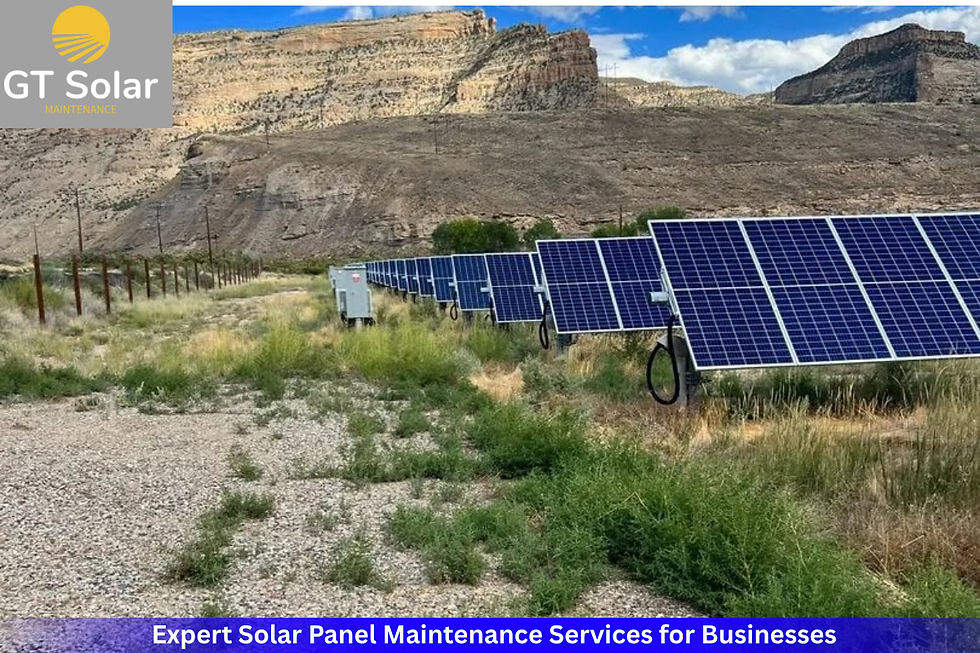
One of the most direct ways vegetation affects solar panel efficiency is through shading. Trees, shrubs, tall grasses, and weeds can grow and block sunlight from reaching solar panels. This is particularly problematic in areas like California, where solar farms are often spread out over large, open spaces. Even minimal shading can significantly reduce the amount of sunlight that solar panels absorb, leading to a decrease in energy production.
Solar vegetation management services in California focus on preventing this issue by regularly clearing overgrown plants and keeping vegetation at a manageable height. This ensures that solar panels are exposed to as much sunlight as possible, which directly boosts the efficiency of energy production.
2. Reducing the Risk of Overheating
Solar panels generate heat as they absorb sunlight, and vegetation can play a role in either cooling or overheating the panels. While some ground cover plants can help maintain cooler temperatures by providing shade to the ground, excessive or dense vegetation can block airflow, causing heat to build up around solar panels. This can result in overheating, which not only reduces the efficiency of the panels but also shortens their lifespan.
Effective solar vegetation management services in California ensure that vegetation does not impede the cooling process. By keeping plants trimmed and using appropriate ground cover, the temperature around solar panels can remain within optimal levels, leading to improved energy efficiency and longer-lasting solar equipment.
3. Maintenance Access
Solar farm operators in California must regularly inspect and maintain their equipment. When vegetation grows uncontrolled, it can obstruct pathways and make it difficult for maintenance crews to access solar panels for repairs, cleaning, or upgrades. This results in downtime, which impacts the overall efficiency of the solar farm.
Regular vegetation management ensures that access to solar panels and critical infrastructure remains clear and unobstructed. With proper vegetation control, maintenance teams can easily reach the panels for necessary upkeep, thus minimizing disruptions and maximizing solar energy production.
Benefits of Solar Vegetation Management in California
1. Maximized Solar Panel Performance
The primary benefit of solar vegetation management is the improvement of solar panel performance. By removing or controlling unwanted vegetation, solar panels can receive maximum sunlight exposure, ensuring they operate at peak efficiency. This is especially important in California, which has one of the highest solar potentials in the United States. With consistent sunlight throughout most of the year, solar farms in California rely on optimized performance to meet energy demands.
By implementing regular vegetation management services, solar farm operators can ensure that panels are always exposed to the most sunlight possible, leading to greater energy production and lower operational costs.
2. Cost Savings
Proper vegetation management can also help solar farm operators save money in the long run. By preventing damage caused by overgrowth and ensuring panels are performing efficiently, solar farms can reduce maintenance and repair costs. Additionally, a solar farm that operates at higher efficiency will produce more energy, ultimately reducing energy costs and increasing the profitability of the farm.
In California, where utility rates can fluctuate, keeping solar farms running efficiently is key to maintaining cost-effective operations. Regular vegetation management helps to keep operational costs low while maximizing energy production.
3. Fire Prevention and Safety
California is prone to wildfires, particularly during the hot summer months. Overgrown vegetation, such as dry grasses and shrubs, can act as fuel for fires, posing a significant risk to solar farms. A fire could not only damage the solar panels but also disrupt energy production for an extended period.
Solar vegetation management services in California focus on controlling the growth of combustible vegetation to reduce fire risks. By keeping grasses and plants trimmed, solar farms can reduce the likelihood of fires starting and spreading, thereby enhancing the safety of the farm and surrounding areas.
4. Environmental and Ecological Benefits
Beyond improving solar panel efficiency, vegetation management can also have positive environmental and ecological effects. In California, native plant species can be used to manage vegetation naturally, which helps support local ecosystems and provides habitats for wildlife. Solar vegetation management services can help promote the growth of drought-resistant, native plants that require little water and maintenance.
By maintaining a balance between solar farm infrastructure and the local ecosystem, vegetation management can contribute to both the success of the solar project and the preservation of California’s natural environment.
Effective Vegetation Control Methods in California Solar Farms
1. Mowing and Trimming
Regular mowing and trimming are among the most common and effective methods for controlling vegetation on solar farms. In California, solar vegetation management services typically include routine mowing of grasses and trimming of bushes that could potentially obstruct solar panels. By cutting vegetation back before it grows too tall, solar farm operators can prevent shading and ensure that the panels receive maximum sunlight exposure.
2. Herbicide Application
In some cases, herbicide application may be used to control weeds and invasive plant species that could interfere with solar panel efficiency. Solar vegetation management services in California carefully select and apply herbicides to target specific plant species without harming the surrounding environment. This helps keep unwanted vegetation in check while promoting the growth of native plants.
3. Ground Cover Plants
Using low-growing ground cover plants, such as native grasses or clover, is another effective method of controlling weeds and maintaining vegetation at a manageable height. These plants can help stabilize the soil, reduce erosion, and keep unwanted plants from spreading, all while minimizing the need for frequent mowing or herbicide use.
In California, where water conservation is a priority, drought-tolerant ground cover plants can reduce the need for irrigation and provide additional benefits to the local ecosystem.
4. Livestock Grazing
In some California solar farms, livestock grazing is used as a natural vegetation control method. Goats and sheep, for example, are often employed to graze on grasses and weeds around the solar panels. This method is cost-effective, eco-friendly, and sustainable, as it eliminates the need for chemical herbicides and reduces the labor involved in mowing and trimming.
However, careful management is required to ensure that the livestock does not damage the solar farm infrastructure. Fencing and supervision are often necessary to keep animals away from the solar panels.
Conclusion
In California, solar vegetation management services in California play a vital role in ensuring the efficiency, safety, and long-term success of solar farms. Proper vegetation control prevents shading, overheating, and obstructions, ultimately boosting solar panel performance and reducing maintenance costs. With California's unique climate and fire risks, effective vegetation management is essential for both the environmental sustainability of solar farms and the safety of surrounding communities. By investing in professional vegetation management, solar farm operators can maximize energy production, reduce costs, and contribute to California’s renewable energy goals.

Comments