Expert Solar Vegetation Management Services for Efficient Solar Farms
- Jan 13
- 4 min read

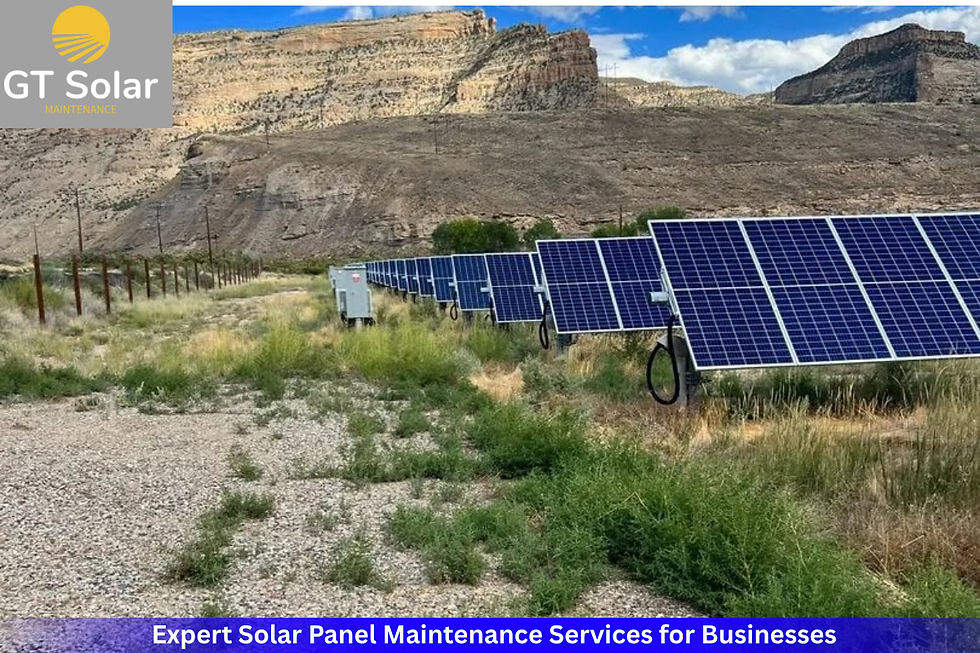
For solar farms in regions like the Southwest, where sunlight is abundant but rainfall can be irregular, Solar Vegetation Management in Southwest becomes crucial. Harsh climates encourage the growth of hardy shrubs and grasses that can interfere with panel performance and maintenance. By implementing strategic vegetation control, solar farm operators can prevent shading, reduce fire risks, and maintain optimal energy production. Specialized management ensures that vegetation is controlled without harming local ecosystems, striking a balance between efficiency and environmental responsibility.
Understanding Solar Vegetation Challenges
Vegetation management in solar farms presents unique challenges. Unlike agricultural lands, solar installations must accommodate large panels, delicate wiring, and inverters. Overgrown vegetation can cause:
Reduced sunlight exposure to panels
Damage to electrical components
Increased fire hazards, particularly in dry regions
Obstructed maintenance access
Understanding these risks is essential for designing an effective vegetation management plan. Using a combination of mechanical, chemical, and biological strategies, solar farms can maintain safe and productive environments.
Types of Vegetation Management Techniques
Professional services use a variety of techniques to control plant growth under and around solar panels:
1. Mechanical Control
Mechanical control involves mowing, trimming, and mulching vegetation to keep growth in check. This method is environmentally friendly and provides immediate results. It is especially effective in areas with fast-growing grasses and shrubs.
2. Chemical Control
Herbicides can be applied selectively to prevent the growth of invasive species. Solar farm operators must follow strict guidelines to avoid contamination of soil or nearby water sources. When combined with other techniques, chemical control ensures long-term vegetation suppression.
3. Biological Control
Some solar farms use grazing animals, like goats, to manage vegetation naturally. This approach reduces maintenance costs, avoids chemicals, and supports eco-friendly practices. However, it requires careful planning to protect solar equipment from damage.
Benefits of Expert Solar Vegetation Management
Investing in professional vegetation management services offers numerous advantages:
Enhanced Energy Efficiency: By keeping panels free of shade-causing plants, solar farms can generate maximum electricity.
Fire Risk Reduction: Controlled vegetation lowers the risk of wildfires, especially in dry climates.
Cost Savings: Preventive management reduces long-term repair and maintenance costs.
Regulatory Compliance: Adhering to environmental and safety standards protects the farm from legal penalties.
Biodiversity Support: Sustainable practices promote native plant growth while controlling invasive species.
Custom Solutions for Different Solar Farm Sizes
Solar farms vary from small installations to utility-scale projects covering hundreds of acres. Vegetation management strategies must be tailored to the specific farm:
Small-scale farms: Manual mowing, targeted herbicide use, and mulch layers are often sufficient.
Medium-scale farms: Combination of mechanical mowing and selective herbicide application ensures efficient management.
Large-scale solar farms: Advanced planning, integrated pest management, and drone monitoring optimize vegetation control across vast areas.
Seasonal Considerations for Vegetation Management
Seasonality plays a significant role in solar vegetation management. Spring and summer often see rapid plant growth, requiring more frequent attention. Fall and winter, on the other hand, focus on preparation and long-term maintenance strategies, such as:
Soil stabilization to prevent erosion
Planting low-maintenance ground cover to reduce future growth
Conducting safety inspections to identify fire hazards
Technology in Solar Vegetation Management
Modern solar farms increasingly rely on technology to manage vegetation efficiently:
Drones and Aerial Imaging: Monitor growth patterns, identify problem areas, and schedule maintenance efficiently.
Automated Mowers and Robotics: Reduce labor costs while providing precise vegetation control.
Data Analytics: Predict seasonal growth trends and optimize management schedules.
Environmental Sustainability and Vegetation Management
Sustainable vegetation practices are crucial for long-term solar farm success. Professionals prioritize:
Native plant cultivation to prevent invasive species
Minimizing chemical herbicide use
Protecting soil health and water quality
By integrating sustainability, solar farms not only remain efficient but also gain community approval and comply with environmental regulations.
Fire Prevention through Vegetation Control
One of the most critical aspects of solar vegetation management is fire prevention. Dry grass and overgrown shrubs can easily ignite, causing extensive damage to solar equipment and nearby areas. Routine mowing, mulching, and clearing of flammable debris are essential to maintain a safe solar farm.
Cost-Effective Maintenance Strategies
Professional vegetation management services offer cost-effective solutions by reducing the frequency of emergency interventions. Long-term planning includes:
Scheduled mowing cycles
Seasonal herbicide applications
Ground cover planting
Risk assessment for high-growth areas
These proactive measures minimize operational disruptions and prevent expensive repairs.
Selecting a Reliable Solar Vegetation Management Provider
Choosing the right service provider is key to successful solar farm maintenance. Look for companies that offer:
Proven experience with solar farm environments
Customized vegetation management plans
Knowledge of regional climate and ecological conditions
Compliance with safety and environmental standards
Partnership with a trusted provider ensures that solar farms remain efficient, safe, and sustainable.
Future Trends in Solar Vegetation Management
The solar industry continues to evolve, and vegetation management is no exception. Emerging trends include:
Integration of AI-powered monitoring systems
Development of eco-friendly herbicides
Increased use of autonomous mowing technologies
Greater emphasis on biodiversity and regenerative practices
Staying ahead of these trends allows solar farms to maintain operational excellence while supporting environmental goals.
Conclusion
Expert solar vegetation management services are essential for maximizing solar farm efficiency, reducing fire risks, and maintaining regulatory compliance. From mechanical mowing to innovative drone monitoring, professional management solutions address the unique challenges of solar farm environments.


Comments