Eco-Friendly Strategies for Solar Farm Vegetation Management
- Jan 13
- 4 min read

Vegetation management in solar farms is more than just maintaining aesthetics; it is critical for operational efficiency. Overgrown vegetation can shade solar panels, decreasing energy production, and can interfere with maintenance activities. Additionally, unmanaged vegetation can contribute to soil erosion, which may compromise the integrity of solar installations over time.
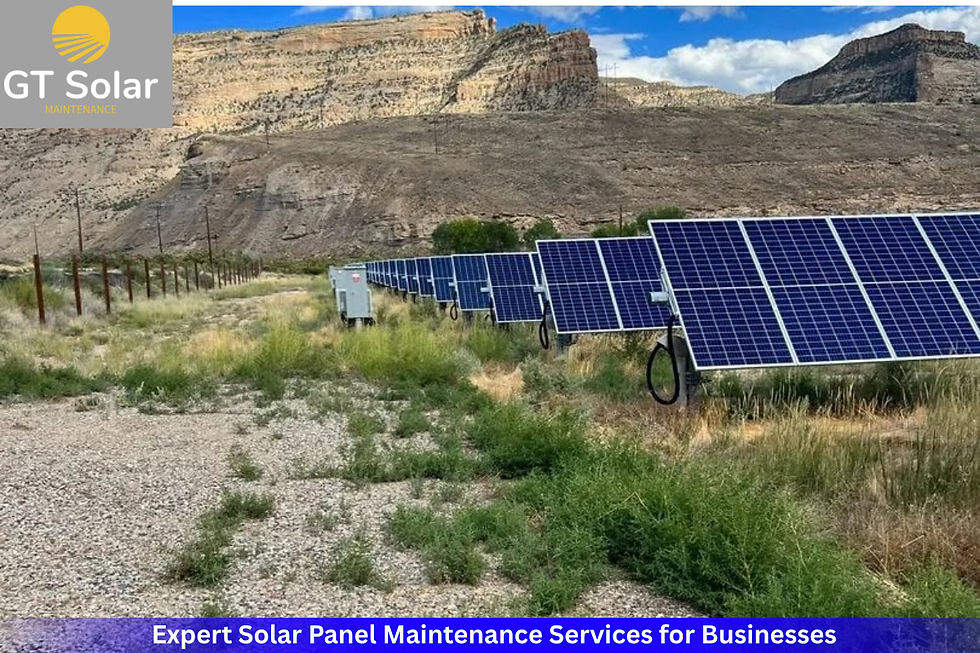
Eco-Friendly Solar Vegetation Management in Colorado has emerged as a leading example of balancing energy efficiency with environmental responsibility. By using sustainable approaches to control plant growth, Colorado solar farms have successfully reduced chemical herbicide use and enhanced local biodiversity.
Key Eco-Friendly Vegetation Management Practices
Adopting sustainable vegetation management strategies involves multiple approaches. These practices not only preserve the ecosystem but also reduce long-term costs for solar farm operators.
1. Native Plant Selection
Planting native species is one of the most effective eco-friendly strategies. Native plants are adapted to local climates and soil conditions, which reduces the need for water, fertilizers, and chemical interventions. They also provide habitats for pollinators and wildlife, contributing to biodiversity.
2. Sheep and Goat Grazing
Using grazing animals such as sheep or goats is an innovative, natural way to manage vegetation. Grazing reduces plant height and prevents overgrowth without the use of machinery or herbicides. This method is particularly effective in large solar farms where mechanical mowing would be costly and disruptive.
3. Mechanical Mowing
While mechanical mowing is traditional, using electric or solar-powered mowers can minimize carbon emissions. Regular mowing ensures that vegetation does not obstruct panels while maintaining a uniform ground cover, which also helps with soil retention.
4. Mulching and Ground Cover
Applying mulch or planting ground cover vegetation can suppress weed growth, reduce soil erosion, and retain moisture. Mulching around solar panels also limits the need for herbicides, making it a more environmentally responsible choice.
5. Integrated Pest Management (IPM)
IPM is a holistic approach to controlling unwanted plant species and pests while minimizing environmental impact. By monitoring vegetation growth and using targeted interventions such as natural predators or mechanical removal, solar farms can maintain a healthy ecosystem without excessive chemical usage.
Benefits of Eco-Friendly Vegetation Management
Implementing sustainable vegetation management techniques provides a range of benefits for solar farm operators and the surrounding environment.
1. Increased Solar Panel Efficiency
Maintaining vegetation at an optimal height ensures maximum sunlight exposure, which directly improves energy production. Plants that are too tall or dense can create shadows that reduce panel efficiency by up to 10–15%.
2. Cost Savings
While some eco-friendly methods require initial investment, such as installing grazing areas or planting native species, they significantly reduce long-term maintenance costs. Reduced herbicide use, lower fuel consumption for mechanical mowing, and decreased soil degradation contribute to operational savings.
3. Environmental Conservation
By avoiding chemical herbicides and preserving native plant species, eco-friendly strategies help protect soil health, water quality, and local wildlife. Pollinators such as bees and butterflies also benefit from the presence of diverse flowering plants.
4. Fire Risk Reduction
Dry, unmanaged vegetation can become a significant fire hazard. Eco-friendly practices like grazing and controlled mowing reduce excess plant material, lowering the risk of wildfires near solar installations.
Challenges in Eco-Friendly Vegetation Management
Despite the advantages, adopting sustainable vegetation management strategies comes with challenges. One of the main issues is balancing plant growth with solar panel efficiency. Some plant species may compete for sunlight or require specialized care to thrive in a solar farm environment.
Additionally, implementing grazing programs or ground cover systems may require additional infrastructure and management expertise. Solar farm operators must also navigate local regulations and environmental compliance standards, which can vary by state or region.
Innovations in Solar Farm Vegetation Management
The solar industry is increasingly embracing innovative technologies and practices to improve vegetation management sustainably.
1. Drone Monitoring
Drones equipped with cameras and sensors can monitor plant growth across large solar farms. This technology allows operators to identify areas of concern quickly and apply targeted interventions rather than widespread chemical use.
2. Solar-Compatible Agrovoltaics
Agrovoltaic systems combine solar panels with agricultural activities. By integrating vegetation management with crop cultivation or pollinator-friendly plants, solar farms can serve dual purposes—generating energy while supporting agriculture and biodiversity.
3. Smart Irrigation Systems
Smart irrigation technologies can optimize water usage for solar farm vegetation. Using sensors to detect soil moisture levels ensures that plants receive only the water they need, reducing wastage and supporting the growth of drought-tolerant species.
Case Study: Eco-Friendly Practices in Colorado Solar Farms
Colorado has become a leader in eco-friendly solar vegetation management. Several solar farms in the state have successfully integrated native prairie grasses, sheep grazing programs, and pollinator habitats into their operations. These measures have improved energy output, reduced maintenance costs, and promoted local wildlife conservation.
The use of Eco-Friendly Solar Vegetation Management in Colorado serves as a model for other regions aiming to balance renewable energy production with environmental stewardship. It demonstrates that sustainability and efficiency can coexist when thoughtful strategies are implemented.
Best Practices for Implementing Eco-Friendly Vegetation Management
For solar farm operators looking to adopt sustainable practices, several key steps can ensure success:
Assessment and Planning: Conduct a vegetation and soil assessment before implementing management strategies to understand the site’s unique requirements.
Native Plant Integration: Choose native and pollinator-friendly plant species that require minimal maintenance.
Regular Monitoring: Use drones, sensors, or manual inspections to track plant growth and detect potential issues early.
Adaptive Management: Be prepared to adjust strategies based on seasonal changes, climate conditions, or observed plant performance.
Community and Regulatory Engagement: Work with local communities, environmental organizations, and regulatory agencies to ensure compliance and support.
Future Outlook for Sustainable Solar Farm Management
As the solar energy sector expands, the importance of eco-friendly vegetation management will continue to grow. Advances in technology, combined with sustainable agricultural practices, will enable solar farms to operate more efficiently while preserving ecosystems.
The integration of renewable energy and environmental conservation reflects a broader commitment to sustainable development. Solar farms that adopt eco-friendly vegetation management can become not only sources of clean energy but also models for ecological stewardship.
Conclusion
Eco-friendly strategies for solar farm vegetation management are essential for maximizing energy efficiency, reducing operational costs, and protecting the environment. From native plant selection and grazing programs to advanced monitoring technologies, these practices provide a holistic approach to managing vegetation sustainably.
Colorado’s success in implementing Eco-Friendly Solar Vegetation Management demonstrates the potential for solar farms to achieve both environmental and operational goals. As the renewable energy industry grows, embracing these strategies will be crucial to building a greener, more sustainable future.


Comments