A Guide to Best Practices in Solar Vegetation Management
- Mar 16
- 5 min read

In Nebraska, solar energy is rapidly becoming a reliable and sustainable source of power, supporting both residential and commercial energy needs. However, to ensure solar farms operate at peak efficiency, solar vegetation management services in Nebraska are essential. Vegetation control plays a crucial role in maximizing the energy output of solar panels by preventing plant growth that can block sunlight or damage equipment. This article provides a comprehensive guide to the best practices in solar vegetation management, highlighting techniques and strategies that contribute to the long-term success of solar farms in Nebraska.
Why Vegetation Management is Crucial for Solar Farms
Vegetation management refers to the strategic control of plants, weeds, and shrubs in and around solar farms. In Nebraska, where seasonal weather conditions can lead to rapid vegetation growth, proper vegetation control is vital for ensuring the efficiency and safety of solar farms.
Impact of Vegetation on Solar Panel Performance
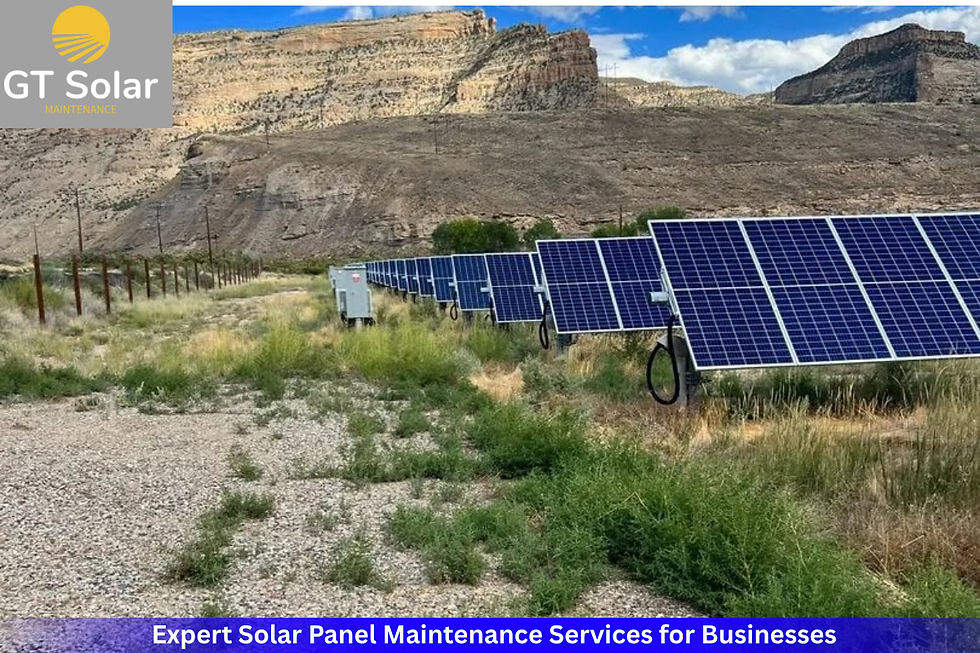
The most obvious effect of uncontrolled vegetation on solar farms is the loss of sunlight. Plants, especially tall grasses and shrubs, can cast shadows on solar panels, reducing the amount of energy they produce. Furthermore, overgrown vegetation can obstruct airflow, making panels more prone to overheating, and can cause the buildup of debris that affects the performance of solar equipment.
Another significant issue is the potential for vegetation to interfere with maintenance access, making it harder to inspect and repair solar panels. This can lead to higher operational costs and decreased system reliability.
The Role of Solar Vegetation Management Services in Nebraska
For solar farm operators in Nebraska, working with professional vegetation management services ensures that solar arrays remain clear of obstructive vegetation. These services typically include regular mowing, herbicide application, trimming, and more specialized methods suited to Nebraska’s specific environmental conditions. By following best practices in vegetation control, solar farms can maximize energy production and reduce the costs of maintenance.
Best Practices in Solar Vegetation Management
To keep solar panels functioning optimally, there are several best practices in vegetation management that every solar farm operator should follow. These practices involve a combination of manual, mechanical, and chemical methods that, when applied correctly, promote both the health of the solar farm and the surrounding ecosystem.
1. Regular Mowing and Trimming
One of the simplest and most effective methods for managing vegetation on a solar farm is regular mowing and trimming. In Nebraska, where native grasses can grow quickly in spring and summer, frequent mowing ensures that the vegetation does not become too tall or dense.
Mowing should be done early in the growing season before plants have the chance to reach their full height. This helps prevent overgrowth and reduces the risk of shading solar panels. Trimming vegetation near solar infrastructure—such as fences, pathways, and utility access points—also ensures safe and easy access for maintenance.
2. Herbicide Application for Persistent Weeds
Herbicides can be an important part of vegetation control, particularly for persistent or invasive species. These chemicals target specific types of weeds or unwanted plants while leaving desirable species intact. In Nebraska, where harsh winters and rapid spring growth can lead to an influx of aggressive weeds, herbicide application can help maintain the balance.
However, it’s crucial to use environmentally friendly herbicides and follow local regulations to prevent harm to the soil, surrounding vegetation, and wildlife. Solar vegetation management services in Nebraska can recommend the best products and ensure safe and effective application to target only harmful species.
3. Ground Cover and Mulching
Another effective method for managing vegetation in solar farms is the use of ground covers or mulch. Ground cover plants, like low-growing native grasses or clover, help prevent weed growth without competing with solar panels for sunlight. These plants can be specifically chosen for their drought tolerance and minimal maintenance needs, which is particularly useful in Nebraska’s variable climate.
Mulching is another excellent way to suppress weed growth and maintain soil moisture. Mulch can be applied around solar panels and in walkways to minimize plant growth and create a cleaner, more manageable landscape.
4. Grazing by Livestock
In some cases, solar farm operators in Nebraska may opt for an eco-friendly solution: using livestock to manage vegetation. Goats, sheep, and even cattle can be brought in to graze on the grass and weeds around the solar panels. This natural method of vegetation control helps keep the land clear without the use of machinery or chemicals.
While grazing can be an effective solution for large-scale solar farms, it requires careful planning. Livestock should be managed to avoid damage to the solar panels or fencing, and the species of livestock should be chosen based on the specific vegetation of the farm.
5. Integrated Vegetation Management
A more holistic approach to vegetation control is integrated vegetation management (IVM), which combines multiple methods to create a long-term strategy for managing plant growth. This includes a combination of mowing, herbicide application, natural grazing, and the use of ground covers. IVM also emphasizes monitoring and adjusting practices based on seasonal changes, soil conditions, and the specific vegetation present on the farm.
For solar farms in Nebraska, IVM can provide a sustainable and efficient solution that adapts to the changing needs of the land over time. Working with solar vegetation management services in Nebraska ensures that these strategies are executed properly, balancing environmental stewardship with the operational needs of the farm.
The Benefits of Proper Vegetation Management
Adopting best practices in vegetation management for solar farms brings a host of benefits that go beyond just aesthetics. Some of the key advantages include:
1. Maximized Solar Panel Efficiency
The primary benefit of effective vegetation management is the enhanced performance of solar panels. By preventing shading and ensuring clear access to sunlight, solar farms in Nebraska can produce maximum energy output year-round. This is especially important in areas with high solar potential, where every hour of sunlight counts.
2. Reduced Operational Costs
Regular vegetation control reduces the need for costly repairs and maintenance due to damage caused by overgrown plants. Moreover, a well-maintained solar farm requires fewer manual interventions and less frequent equipment replacements, ultimately reducing overall operating expenses.
3. Improved Safety
Vegetation management also plays a role in safety. Tall, dense vegetation can obscure solar panel infrastructure and increase the risk of fires, especially in Nebraska’s dry summer months. By controlling plant growth, operators can reduce fire hazards and ensure a safer working environment.
4. Environmental and Community Benefits
Proper vegetation management promotes local biodiversity by preventing invasive species from taking over and encouraging native plants to thrive. Additionally, well-maintained solar farms are more visually appealing and can contribute to positive community relationships by demonstrating environmental stewardship.
Conclusion
In Nebraska, where solar energy is rapidly gaining importance, solar vegetation management services in Nebraska are crucial for ensuring that solar farms operate efficiently and sustainably. By following best practices such as regular mowing, herbicide application, using ground cover, and exploring natural methods like grazing, solar farm owners can achieve better performance, reduce costs, and maintain a safe, eco-friendly environment. Whether you’re managing a small solar farm or a large-scale operation, incorporating proper vegetation management practices is key to the long-term success of your solar energy project.


Comments